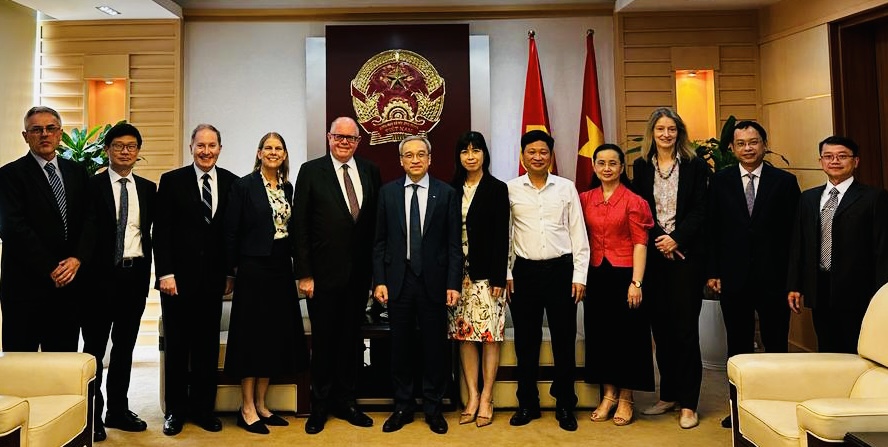
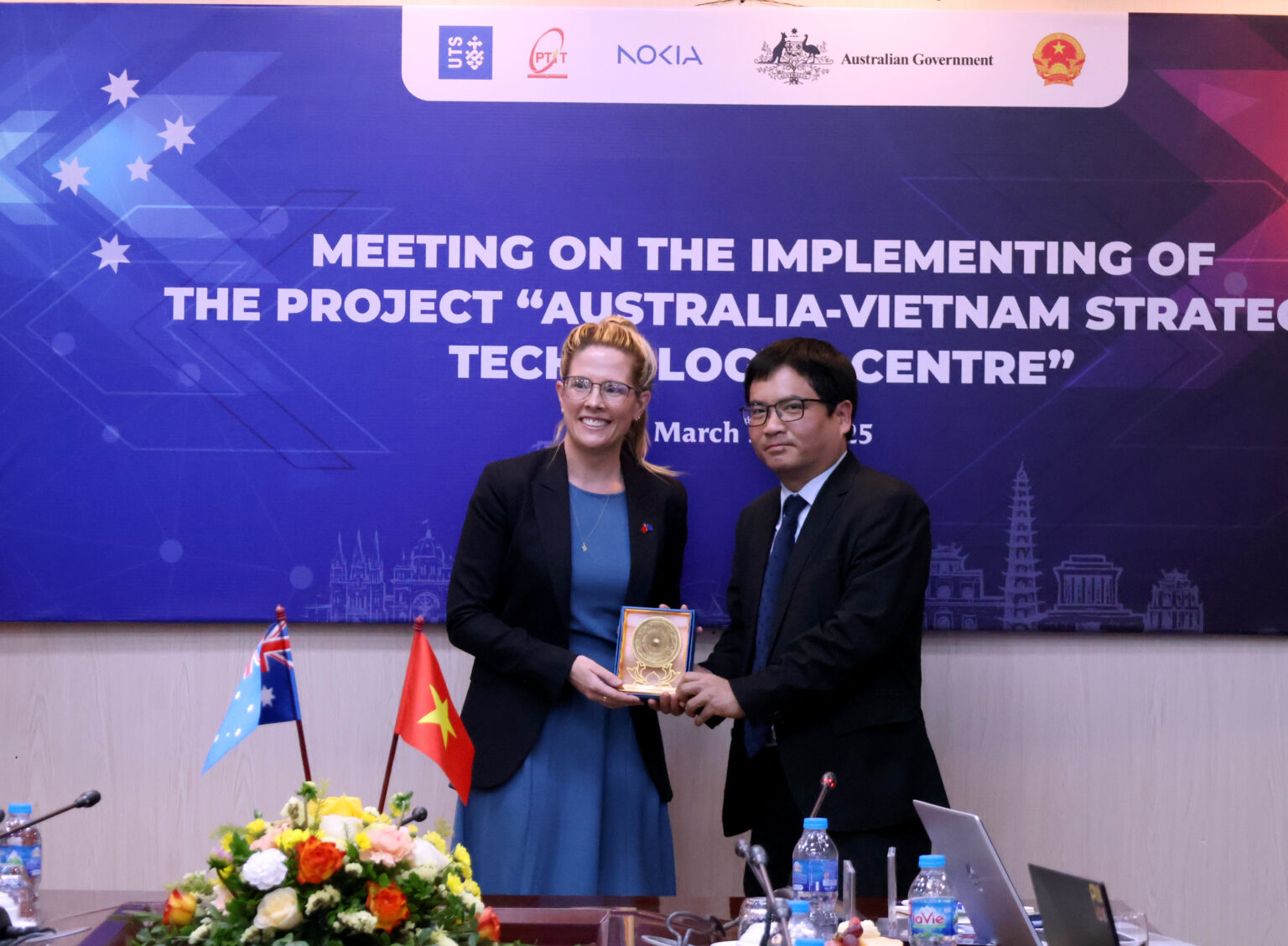
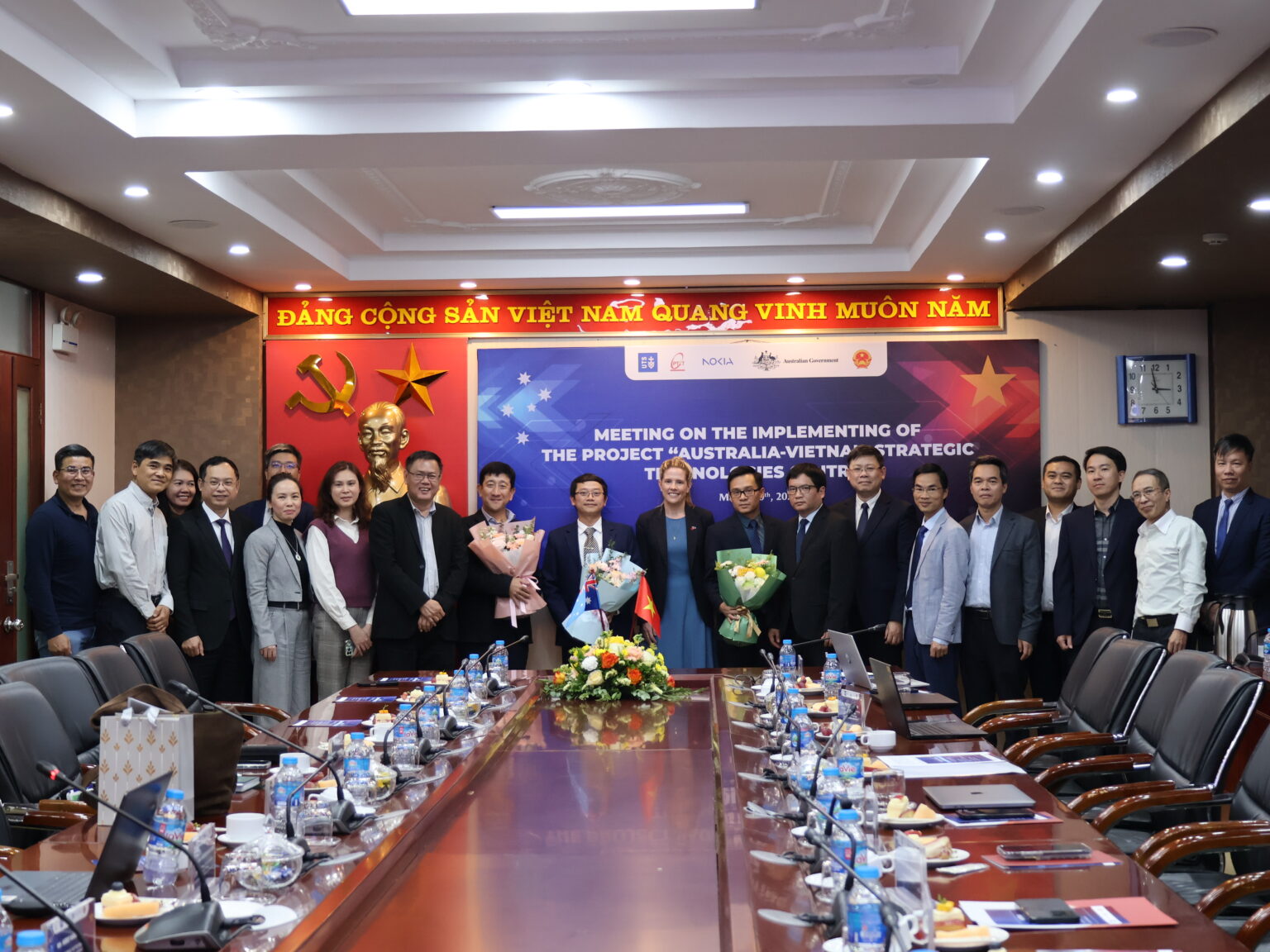
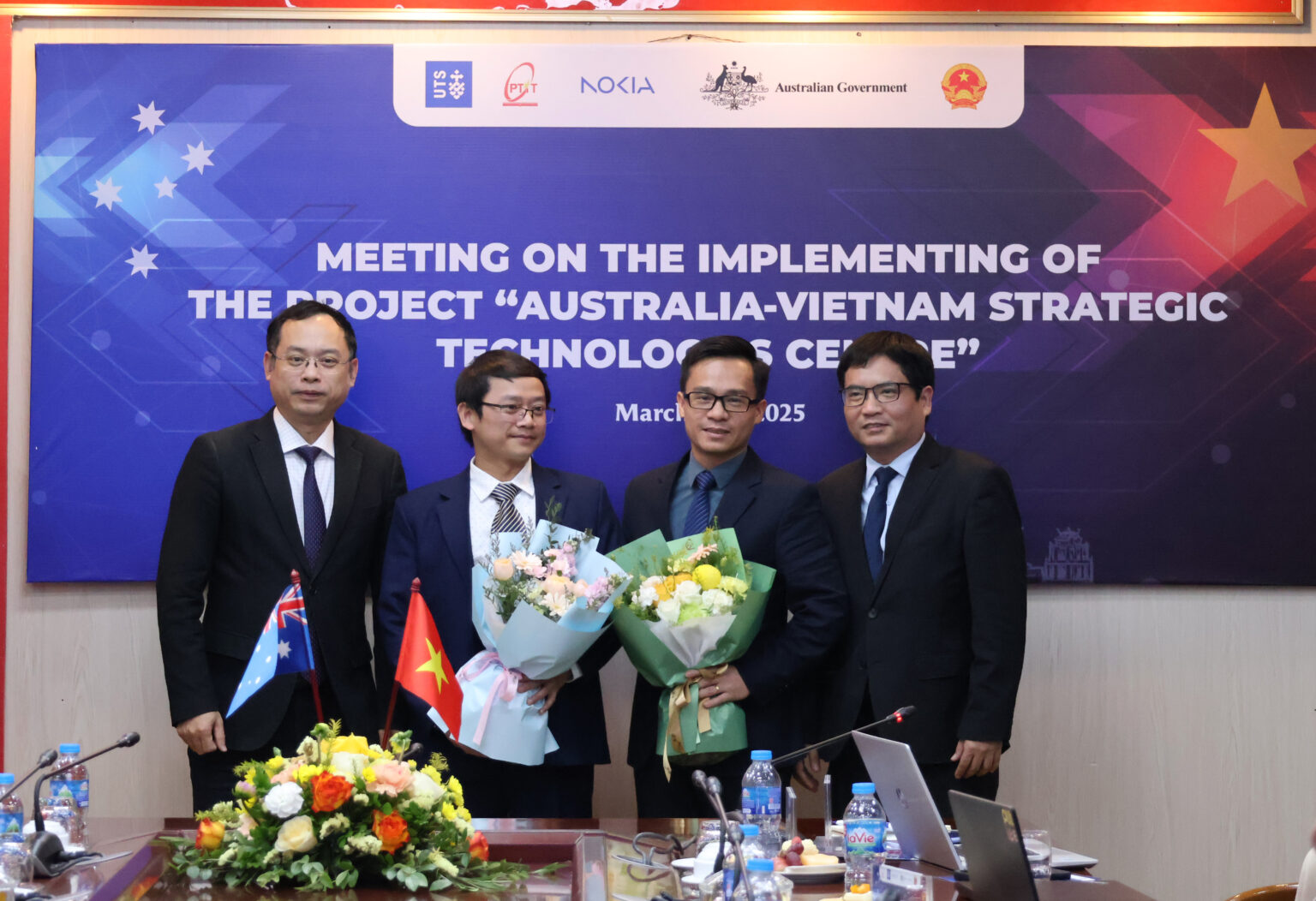
The Women in Technology & Innovation Awards represent a cornerstone initiative of the Australia-Vietnam Strategic Technologies Centre, designed to recognize and empower exceptional female students and scientists who demonstrate outstanding potential in strategic technologies and STEM fields.
This prestigious program granted 20 awards to talented women working in cutting-edge areas including 5G/6G technologies, Artificial Intelligence, Internet of Things, Cybersecurity, Quantum Technologies, and Semiconductors. Each recipient received not only financial support, but also invaluable mentorship opportunities with world-leading experts throughout their academic careers.
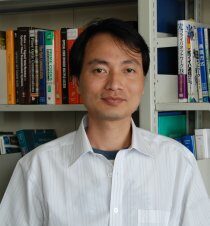
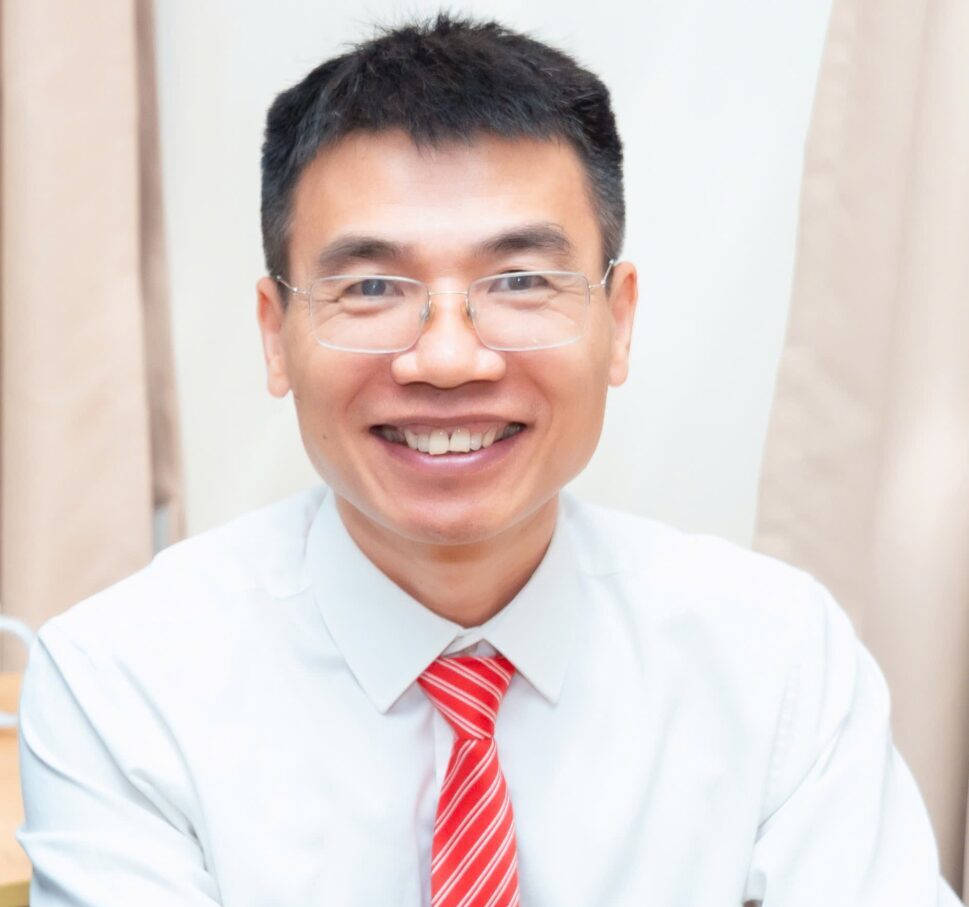
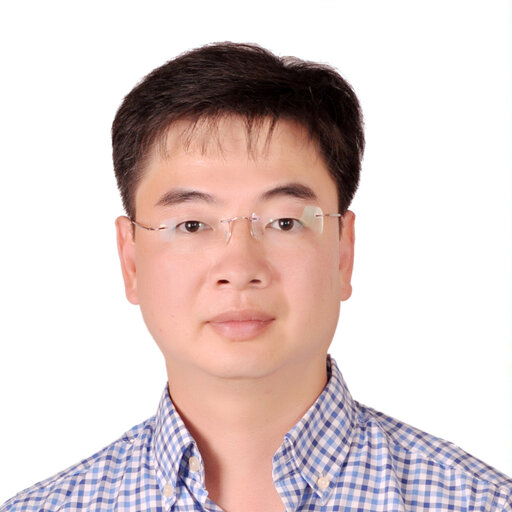
The following exceptional women were selected as the 2025 Women in Technology & Innovation Award recipients, representing the future leaders who will drive innovation and technological advancement across Australia and Vietnam:
  • Ms. Ngo Minh Ngoc, VinUniversity
  • Ms. Thu Hang Phung, Hanoi University of Science and Technology (HUST)
  • Ms. Tung Hoa Le, Posts and Telecommunications Institute of Technology
  • Dr. Thi Lan Tran, University of Transport and Communications
  • Dr. Nguyen Thi Thanh Nhan, Thai Nguyen University of Information and Communication Technology
  • Dr. Vu Thi Thuy Anh, VNU University of Engineering and Technology
  • Ms. Dinh Dao Lan Vy, National Economics University
  • Dr. Nguyen Thi Hong Nhung, FPT University
  • A/Prof. Minh Thuy Le, Hanoi University of Science and Technology
  • A/Prof. Le Thi Lan, Hanoi University of Science and Technology
  • Dr. NGUYEN THI HONG NHAT, Hanoi Pedagogical University 2, Vietnam
  • Dr. Ly Vu (Vũ Thị Ly), Le Quy Don Technical University
  • Dr. Phùng Thị Kiều Hà, Hanoi University of Science and Technology
  • A/Prof. Duong Thi Thanh Tu, Posts and Telecommunications Institute of Technology
  • Dr. Que N. Tran, RMIT Vietnam
  • Dr. Nguyen Thi Thuy, RMIT Vietnam
  • Dr. Nguyen Thu Phuong, Le Quy Don Technical University
  • A/Prof. Le Thi Phuong Mai, University of Danang- University of Science and Technology
  • A/Prof. Nguyen Phi Le, Hanoi University of Science and Technology
  • Dr. Hoang Thi Phuong Thao, Electric Power University

Key Partners:

  • University of Technology Sydney (UTS) is the Australian Lead of the project. UTS is responsible for the overall governance, delivery, coordinating with all partners (DFAT, MoST/MoIC, Nokia, PTiT and other industry partners
  • Vietnam’s Ministry of Science and Technology (formerly joined us as Ministry of Information and Communications, MoIC) on behalf of the Vietnam Government, is the policy-making and regulatory body in key ICT. MoST/MoIC and its Minister Mr. Nguyen Manh Hung is the key driver of this Australia-Vietnam Strategic Centre from its idea, originated from his visit to UTS Nokia 5G Future Lab at UTS Tech Lab and then followed up by Nokia, UTS, Australian Embassy in Hanoi, PTiT, and other government departments of Vietnam and Australia.
  • Posts and Telecommunications Institute of Technology (PTIT) Viet Nam is the key and leading university in the areas of 5G/6G technologies in Vietnam, under MoIC/MoST. Under the instruction of MoIC, PTiT will provide premises, hosting cost of equipment, utilities. Through PTiT, MoIC, the Australia-Vietnam Strategic Centre can engage broadly with industry, government, education partners in Vietnam, multiplying the impact of the project.
  • Nokia, a global leader in 5G/6G, is the key industry driver and the technology partner of the Centre. Nokia Vietnam and Nokia Australia have been working closely with UTS, MoIC, PTiT and other partners to bring 5G applications to different sectors.

    • 96A Đ. Trần Phú, P. Mộ Lao, Hà Đông, Hà Nội, Vietnam

    • nvhung_vt1@ptit.edu.vn

    • 0969545289

    Demo 1: Toward Secure 5G. How Hackers Can Trick 5G & How We Can Stop Them?

    This is to showcase how we can collaborate to investigate unknown vulnerabilities from the 5G systems and find potential solutions. This is of interest to not only Australia, Vietnam but also to the global 5G community.
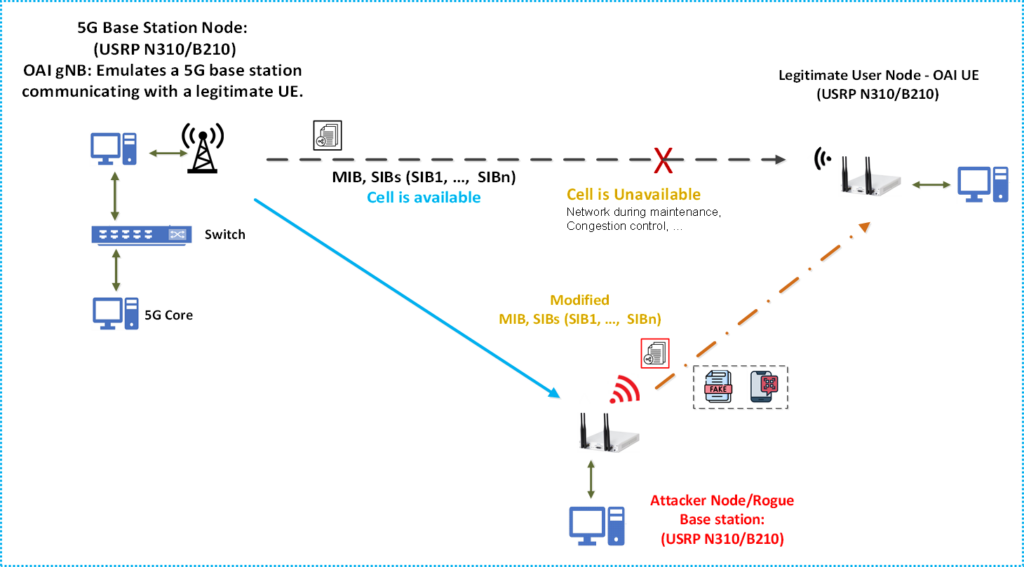
    When our phone first connects to a 5G network, the handshaking process (between our phone and the 5G infrastructure) is vulnerable. This demo shows how attackers can take advantage of that process. We recreate a real-world attack where a fake 5G base station sends out signals to trick our phone into connecting to it instead of the real one. Once connected, the attacker can intercept or disrupt the connection or launch other attacks, e.g., phishing. Using special hardware (called USRP devices) and OpenAirInterface, we simulate both a legitimate 5G base station and a sneaky attacker. We then show how our system can detect and stop this fake signal using a lightweight security method.

    Demo 2: Towards Responsible and Privacy-preserving AI. Can AI Classify Your Photo Without Ever Seeing It?

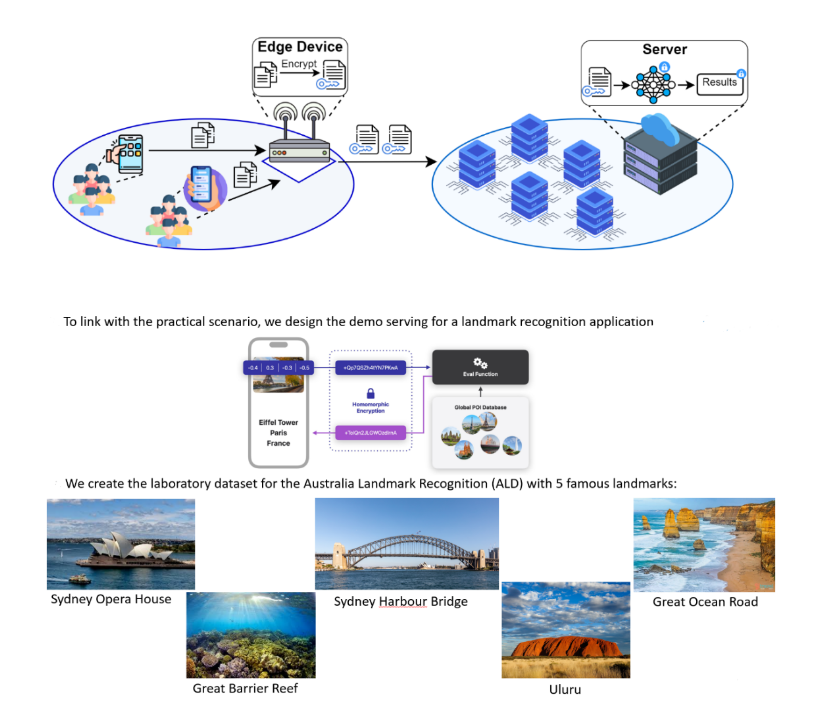
    This demo shows how we can protect data and users’ privacy while still enjoying powerful AI tools with 5G Edge Computing capability!

    When we take a photo, e.g., using our iPhone and upload it for AI to analyze, like identifying famous landmarks, it might also reveal private details like people’s faces, your location, or your surroundings? We can try it on your iPhone with the Photos app as well (by searching for Sydney for instance). In this scenario, a user takes a photo of one of five famous Australian landmarks. But instead of sending the raw image directly to the cloud (risk leaking privacy), the photo is first encrypted using Homomorphic Encryption (HE) with the help of a 5G mobile edge node. This edge device securely encrypts the photo before it’s sent to the cloud server. The server then runs a machine learning model on the encrypted image, without ever seeing the actual content. The classification result (e.g., Sydney Opera House or Uluru) is also encrypted and sent back to the edge node, which decrypts the result and delivers it to the user.

    Your data stays private. The AI still works. 5G makes it fast and secure.
    Demo 3: 5G-empowered Vietnam-Australia Cultural Exchange Through Virtualized Landmarks

    This demo showcases how enhanced broadband services in 5G (up to 10Gps) can facilitate emerging VR/XR applications and cultural exchange between Australia, Vietnam and the world through digital twins of landmarks.
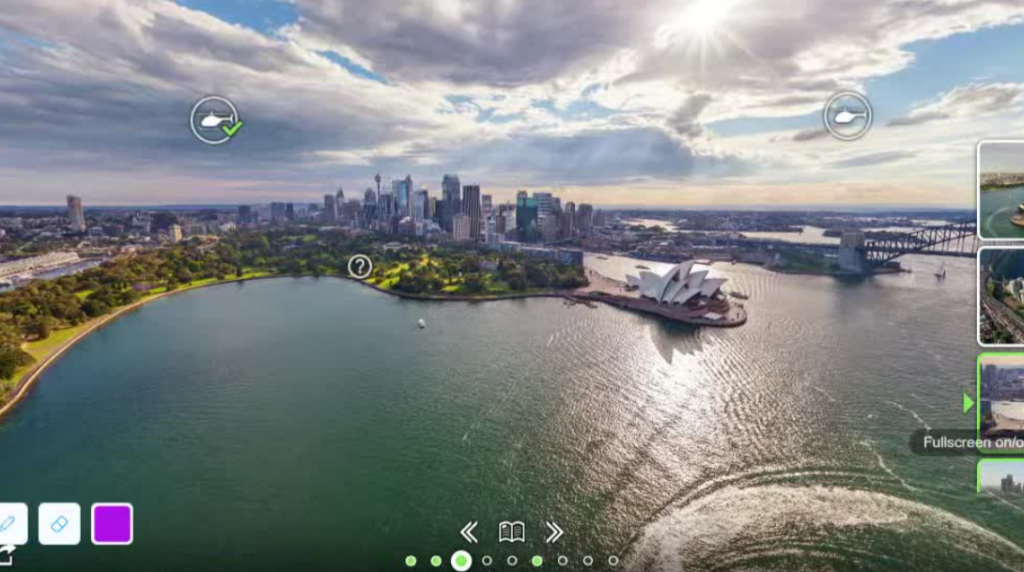
    In this demo, in partnership with YooTek (a Vietnam company) and Ripper Corp (an Australia’s partner), we develop and deploy virtualized/digital twins of Vietnam’s and Australia’s famous landmarks like Van Mieu/Literature Temple, Sydney Opera House and Sydney Harbor Bridge, Blue Mountain. Users from Australia, Vietnam, and anywhere in the world can then immersively explore these landmarks (with or without a VR gear) by selecting areas to visit and using mouse on PC or touchscreen on smart devices. Directional arrows guide users through the tour, making it feel like a real-life visit with audio narration in different languages (thanks to AI). We also share these virtual landmarks on YooLife, a pioneering VR social network platform developed by YooTek (a Vietnam company) so that users experience and interact with each other virtually.

    Demo 4: Toward 5G-empowered Advanced Manufacturing. Can You Control a Robot Without Crashing? It All Depends on the Network!

    In advanced manufacturing, we may need to control a mobile robot remotely, steering it around obstacles by watching a live video from its onboard camera. Sounds simple, right? But what if the video feed is delayed? This demo shows how the type of cellular networks, 3G, 4G, or 5G, can make a huge difference.
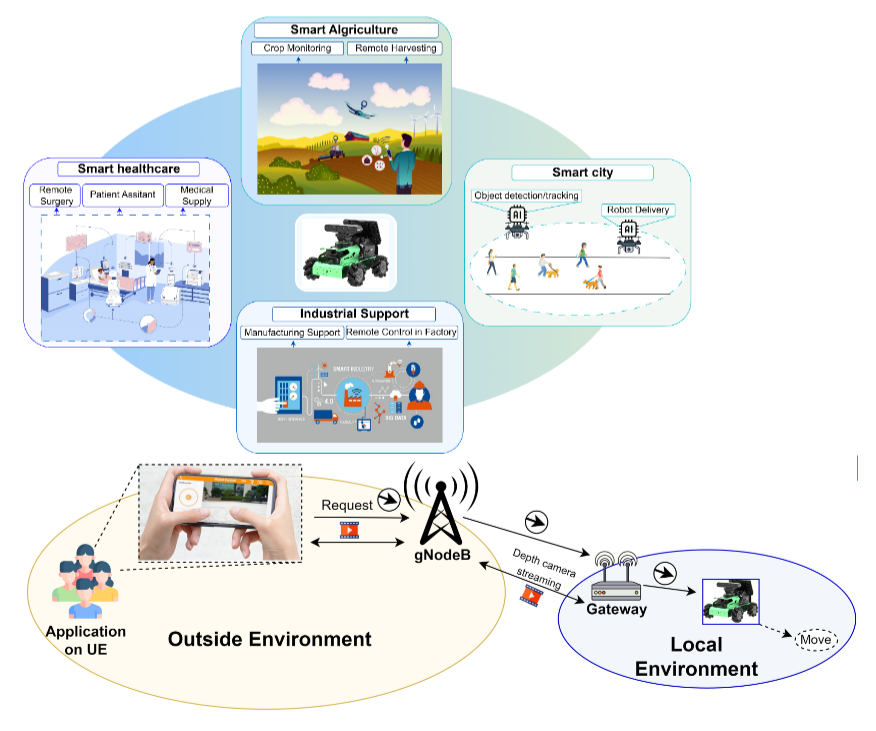
    We stream live video from a robot over different mobile networks:
    • On 3G, the delay is so high that the robot crashes into obstacles before you can react.
    • On 4G, the delay is better, but you still need quick reflexes to avoid collisions.
    • On 5G, the video is nearly real-time, letting you control the robot smoothly and safely, with no crashes.

    Demo 5: 5G- and AI empowered Vietnamese Sign Language Interpretation

    This demo shows how 5G and AI’s potential in offering a practical, inclusive, and user-friendly tool for Vietnamese sign language interpretation and learning.

    Challenges:
    • How can normal people communicate with the deaf if we do not know sign language?
    • Sign language, unlike vocal communications, is video-based traffic that requires
      significantly more bandwidth, especially when many people are involved.
    • Additionally, due to the lack of investment, the training data, especially for Vietnamese sign language (VSL), the AI model training for real-time/online VSL interpretation is still limited.
    Our solution:

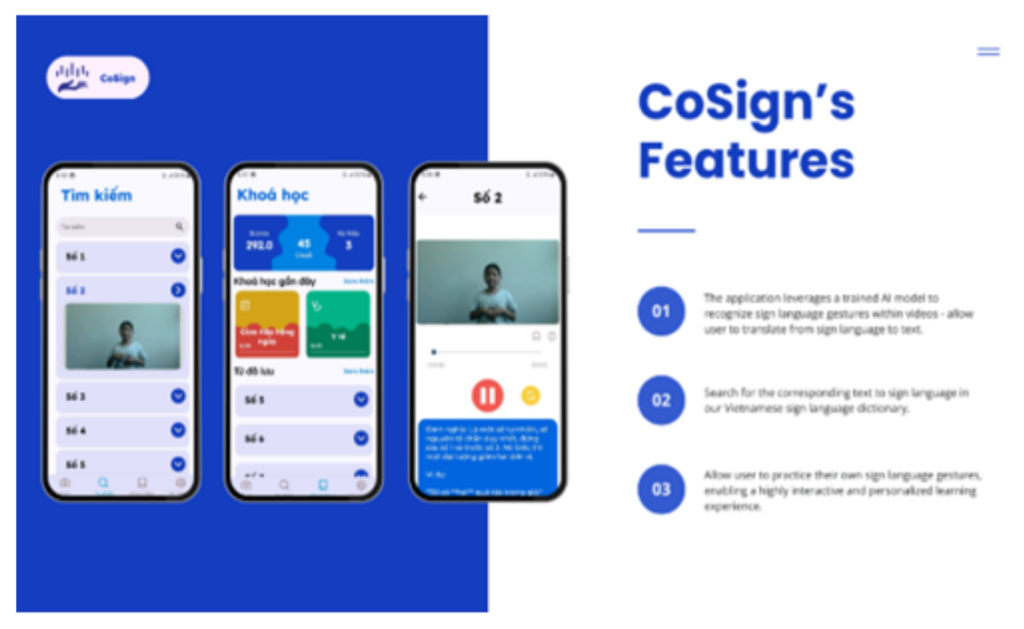
    Through the collaboration between scientists from PTIT and UTS, we will showcase our online platform, CoSign, that aims to facilitate the interface between spoken users and deaf users. CoSign offers a practical, inclusive, and user-friendly tool for sign language learning and translation. Through this collaboration, a more advanced dataset of sign language was successfully collected with more than 10,000 videos from deaf users. This dataset will help to improve the tool’s performance and robustness as well as be an invaluable asset to share with other research communities. We will publish it by the end of this year to contribute to the global AI-for-good movement. We also set up a community of Deaf Connect for Digital Future. Our next steps include supporting initiatives that utilize this tool or other digital-transformation-based approaches to serve deaf communities. This effort reflects our team’s dedication to technological equity, and long-term societal impact.
    Demos:

    Real-time translate sign language to text
    Text to sign language
    Facilitate VSL learning/practicing

    Guests/participants:

    Users/teachers from 4 Schools for Deaf Children and People in Vietnam

    Demo 6: 5G-empowered Entertainment/Gaming. Who “Shoots” Faster — The Player or the Network?

    This demo shows how 5G can empower entertainment and the game industry that are significant part of the global economy.
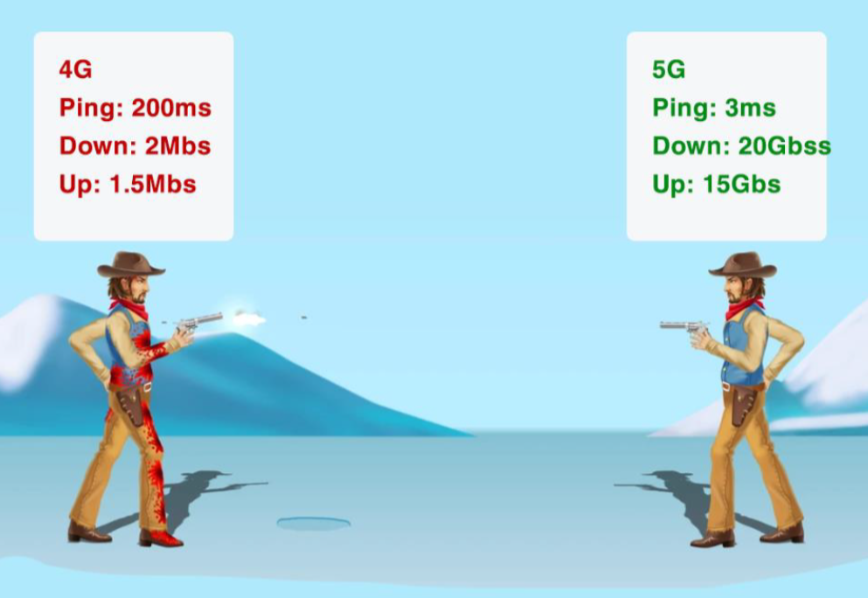
    Step into the Wild West for a thrilling VR showdown! In this demo, two players face off in a cowboy gunfight, but there’s a twist. One player is connected over a 4G network, while the other uses 5G. The difference? Speed. Both players wear VR headsets and prepare to draw their virtual guns in a one-on-one duel. As the countdown hits zero, they must shoot as fast as they can, but whoever’s network responds quicker has the upper hand.

    • On 4G, the high latency (200ms) causes a delay, making the player’s reaction feel sluggish.
    • On 5G, with ultra-low latency (just 3ms!), the gun fires almost instantly, giving that player a
      major edge.
    • A live TV screen displays the action in real-time, along with each player’s network type,
      ping, and speed, making it clear how important fast connections are in competitive games.

    Demo 7: 5G-empowerd Telemedicine. Can Fast Networks Help Save a Child’s Life?

    In this VR simulation demo, two users take on the roles of emergency doctors working together to save a pediatric patient in critical condition by practicing chest compressions and bag-valve- mask ventilations, in perfect sync. During the procedure, precise timing is everything.
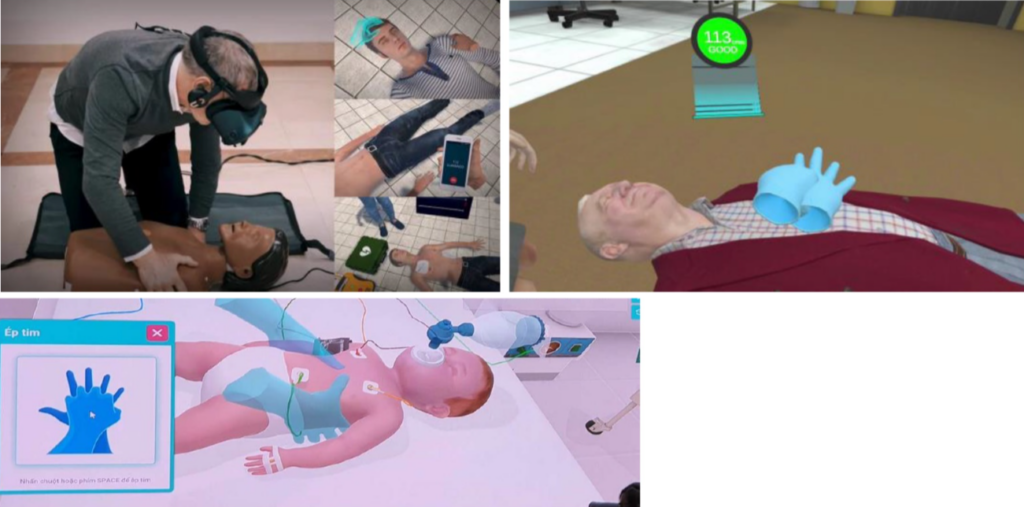
    The players are connected over different networks, one using 4G, the other using 5G. In this demo, we will show that during the procedure, precise timing is everything. After every 15 compressions, the team must switch to 2 ventilations, just like in real emergency protocols. But when the connection is slow (like with 4G), delays cause desynchronization, leading to missed signals, timing errors, and poor outcomes. Then, the same simulation is repeated using 5G. With its ultra-low latency and reliable speed, the players are now fully synchronized, responding in real time, like a well-trained team.

    Demo/Use Case 8: Nokia Network Digital Twin helps private network operators monitor network performance.

    Use a virtual replica of your network to make your industrial site more efficient and productive. Nokia Network Digital Twin enables you to monitor your network operations in real time and predict maintenance needs and potential downtime in advance. It helps you increase efficiency and productivity by reducing disruptions in your production. The solution provides a virtual representation of your communications network along with its operating environment. You can use the Network Digital Twin to:

    • View the network from the vantage point of Nokia Industrial devices
    • Ensure that network service-level agreements (SLAs) are being met
    • Take recommended actions in case of sub-optimal network performance
    • Test new scenarios without impacting the current environment

    The Network Digital Twin helps you get the most out of your private wireless network in your Industry 4.0 journey. It is pre-tested with Nokia Digital Automation Cloud and Modular Private Wireless.

    Demo/Use Case 9: Nokia Team Comms

    Nokia Team Comms delivers business-critical push-to-talk voice, video and data communications allowing teams to collaborate on one-to-one and group calls, both indoors and outdoors, across any industrial campus – including mines, ports and factories, without needing access to the internet. Push-to-x application for reliable and secure campus-wide communications with no internet connection required Nokia Team Comms is a cost effective and easy-to-set-up 3GPP aligned solution that meets the need of one-to-one and one-to-many push-to-talk/video and messaging. It includes a web console for user management and deployment powered by a Nokia private wireless network.

    • Easy set up: simply click- to-deploy from the Nokia Industrial Application Catalog
    • Works without internet connectivity
    • Includes the ability to record all voice, video and text conversations
    • All data remains on-premises at the enterprise edge (Nokia MX Industrial Edge)
    • Designed to work on any Android 11+ device, pre-tested on all Nokia-supplied devices
    COMING SOON

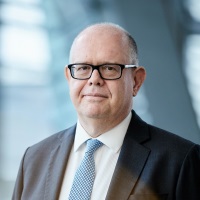
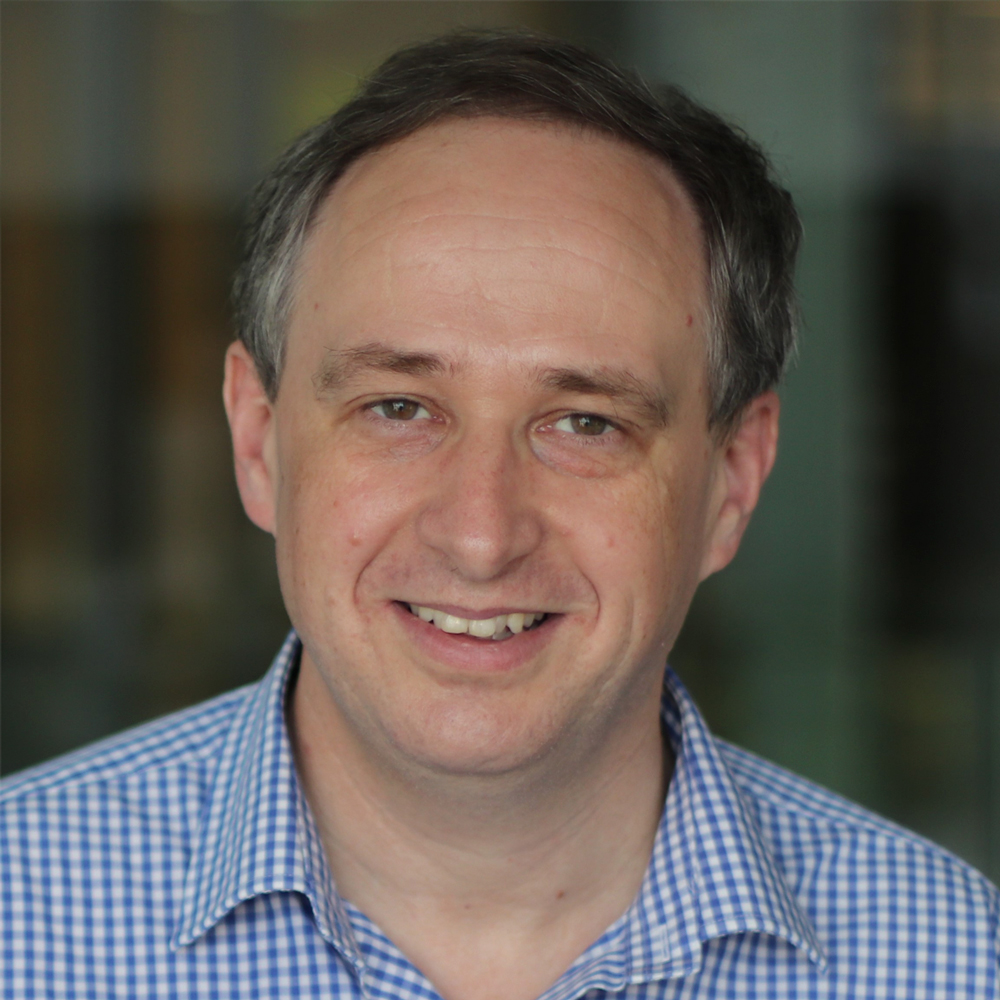
    • VICE CHANCELLOR OF THE UNIVERSITY OF TECHNOLOGY SYDNEY

    • Andrew Parfitt is the Vice-Chancellor and President of the University of Technology Sydney. He joined UTS in February 2017 as the university’s Provost and Senior Vice-President before being appointed Vice-Chancellor in November 2021. Previously Andrew was Deputy Vice-Chancellor (Academic) at the University of Newcastle. He has also held senior leadership roles at the University of South Australia and the CSIRO. Andrew has had a distinguished career as an educator and researcher in telecommunications engineering, specialising in antennas and radio systems and has made contributions to satellite communications, radio astronomy technologies and space engineering. Andrew has published more than 100 technical papers in refereed conferences and journals.

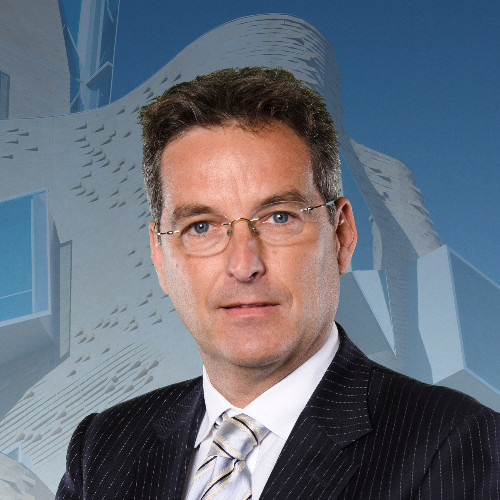
    • UNIVERSITY OF TECHNOLOGY SYDNEY (UTS), AUSTRALIA

    • Ray Owen is a leading expert in network resilience, telecommunications infrastructure, and digital modelling, with over 30 years of experience spanning industry, research, and governance. He earned his PhD in Electrical and Electronic Engineering from the University of Birmingham (UK) in 1995, where his research focused on Modelling High-Frequency Acoustic Scattering from a Rough Surface, and holds a Bachelor of Engineering (Electrical and Electronic) from King's College London, completed in 1992. Currently, Ray serves as an Industry Professor at the Faculty of Engineering and IT at the University of Technology Sydney (UTS) as well as the lead in the UTS telecom research unit with contracts spanning NBN, Telstra and the federal government. His research and commercial expertise encompass telecommunications resilience, fixed-line networks, wireless networking, and network modelling. He is also the Director of the Australian National Telecommunications Resilience Centre, where he leads efforts to enhance the robustness of national and global telecom infrastructures.
    • LUXEMBOURG UNIVERSITY, LUXEMBOURG

    • Symeon Chatzinotas (MEng, MSc, PhD, FIEEE) is currently Full Professor / Chief Scientist I and Head of the research group SIGCOM in the Interdisciplinary Centre for Security, Reliability and Trust, University of Luxembourg. In parallel, he is an Adjunct Professor in the Department of Electronic Systems, Norwegian University of Science and Technology, an Eminent Scholar of the Kyung Hee University, Korea and a Collaborating Scholar of the Institute of Informatics & Telecommunications, National Center for Scientific Research “Demokritos”. In the past, he has been a Visiting Professor at EPFL, Switzerland and University of Parma, Italy and contributed in numerous R&D projects for the Institute of Telematics and Informatics, Center of Research and Technology Hellas and Mobile Communications Research Group, Center of Communication Systems Research, University of Surrey.

    • UNIVERSITY OF TECHNOLOGY SYDNEY, AUSTRALIA

    • Karu Esselle, FRSN, FIEEE, FIEAust, is Distinguished Professor in Electromagnetic and Antenna Engineering at University of Technology Sydney (UTS). He is Australia’s 2022 Professional Engineer of the Year, and the leader of the MetaSteerers Team that won Australia’s national 2023 Eureka Prize for Outstanding Science in Safeguarding Australia, making him the only person to receive both a Eureka Prize and the Professional Engineer of the Year Award. Last year he also received the 2024 Premier’s Prize for Leadership in Innovation in NSW. Karu is a Fellow of the Royal Society of New South Wales, IEEE and Engineers Australia. His large collection of recent awards include the most prestigious Space award in Australia – the “Winner of Winners” Excellence Award – as well as the Academic of Year Award at the 2022 Australian Space Awards, 2022 UTS Chancellor’s Medal, both the Excellence Award and the Academic of the Year Award   at 2021 Australian Defence Industry Awards, and 2019 Motohisa Kanda Award (from IEEE USA) for the most cited paper in IEEE Transactions on EMC in the past five years.

    • DEAKIN UNIVERSITY, AUSTRALIA

    • Dr Truyen Tran is Professor at Deakin University where he is leading a world-class research team on competent and human-compatible AI through advanced machine learning. He and his team have made numerous contributions in deep learning, generative AI, machine reasoning, unifying language and vision, cognitive architectures and social AI. As Head of AI, Health and Science, he leads the effort to push the transformation of science, healthcare and engineering through AI. These include efficient exploration of molecular space, acceleration of drug discovery, materials characterisation, battery design and optimisation, and automation of software engineering. Dr Tran has received multiple recognitions, awards and prizes for his research contributions at top AI conferences and journals. He holds a BSc. from the University of Melbourne (2001) and a PhD in Computer Science from Curtin University (2008).

    • UNIVERSITY OF TECHNOLOGY SYDNEY, AUSTRALIA

    • Prof. Michael Bremner, Director of the Centre for Quantum Software and Information at UTS and work package leader, node manager, and program manager in the ARC Centre for Quantum Computation and Communication Technology, is a leader in the Australian quantum ecosystem and one of the most recognised   global names in theoretical quantum computing. Prof. Bremner is widely known for pioneering the core algorithms that define what is now known as quantum supremacy. This work led to Google’s demonstration of the first quantum computation that was intractable for classical computers. As a leader in Australia’s quantum technology ecosystem, he has championed the need for diversity in backgrounds, experiences, and skills if Australia is to stay at the forefront of quantum technologies. He is a board member and helped establish the Sydney Quantum Academy where he has co-developed programs that have led to talent creation, industry engagement, and research excellence. Other leadership roles include membership on the advisory board for Transport for NSW’s efforts in quantum computing, co-editor in Chief of the Nature Partner Journal: Quantum Information, member of the Quantum Australia Growth Centre consortium committee, co-founding the Australian Quantum Software Network, and advising for the NSW Chief Scientist and Engineer. His impactful research has led to significant industry engagement as a performer on the DARPA Quantum Benchmarking program, recipient of funding through Google's Digital Future Initiative, and the ASCA Emerging Disruptive Technologies program.

    • UNIVERSITY OF TECHNOLOGY SYDNEY (UTS)

    • Marian-Andrei Rizoiu is an Associate Professor leading the Behavioral Data Science lab at the University of Technology Sydney. His interdisciplinary research crosses computer and social sciences, blending psycholinguistics, digital communication and stochastic modelling to understand human attention dynamics in the online environment, the emergence of influence and opinion polarization. Dr Rizoiu is the recipient of the prestigious Excellence Award and Academic of the Year at the 2023 Australian Defence Industry Awards. He currently leads grants worth $1.8 million from the Commonwealth of Australia to detect and model the spread of mis- and disinformation and its weaponized counterparts – information and influence operations.

    • UNIVERSITY OF TECHNOLOGY SYDNEY (UTS), AUSTRALIA

    • Stuart Perry has over 20 years of experience conducting research into image processing, virtual reality, psychophysics, signal processing, image quality, and models for the quantification of image preference and aesthetics for both government, industry and academia.  From 2003 to 2016, he worked for Canon Information Systems Research Australia (CiSRA), a Canon group company and one of the Canon Group's largest R&D facilities outside of Japan. During this time, he worked on camera white balancing technologies, and led research teams working on print quality measurement, document security and perceptual quality measurement for various consumer devices. In 2016 he joined the FEIT's Perceptual Imaging Laboratory (PILab) as Co-Director conducting research into colour and perceptual quality in 3D environments. Stuart also represents PILab and UTS on a number of international standards committees such as ISO/TC42 (Photographic standards), ISO/SC29/WG7 (MPEG) and ISO/SC29/WG1 (JPEG) where he leads JPEG’s activity on point cloud coding standards and an editor for the upcoming ISO/IEC international standard on learning-based point cloud compression as well as co-chair of JPEG’s Radiance Field study group. He is also a member of SPINet and a Senior Member of IEEE. He is interested in point cloud and light field technologies, computer vision, 3D scanning and human perception in Virtual, Augmented and Mixed Reality environments. He is the author of over 60 professional and academic publications including 2 books and 20 patents and patent applications and is an associate editor of the SPIE/IS&T Journal of Electronic Imaging.

    Scientists

    • UNIVERSITY OF TECHNOLOGY SYDNEY (UTS), AUSTRALIA

    • Diep N. Nguyen is currently a faculty member, Director of Agile Communications and Computing group, the Faculty of Engineering and Information Technology, University of Technology Sydney (UTS), Australia and holding adjunct positions at other universities in US, Vietnam, Japan. He received M.E. and Ph.D. in Electrical and Computer Engineering from the University of California San Diego (UCSD) and The University of Arizona (UA), respectively.

    • UNIVERSITY OF TECHNOLOGY SYDNEY (UTS), AUSTRALIA

    • Hoang Dinh received his Ph.D. degree from the School of Computer Science and Engineering, Nanyang Technological University, Singapore, in 2016. He is currently an associate professor at the University of Technology Sydney (UTS), Australia. Over the last ten years, he has significantly contributed to advanced wireless communications and networking systems. His excellent record evidences this with one patent filed by Apple Inc., five books, eight book chapters, more than 90 IEEE Q1 journals and 60 flagship IEEE conference papers in communications and networking. Most of his journal papers have been published in top IEEE journals, including IEEE JSAC, IEEE TWC, IEEE COMST, and IEEE TMC. Furthermore, his research papers have had a high impact, evidenced by more than 15,000 citations (according to Google Scholar) over the last ten years.

    • UNIVERSITY OF TECHNOLOGY SYDNEY

    • Professor Eryk Dutkiewicz is the Associate Dean International in the Faculty of Engineering and Information Technology. Previsouly, from 2015 to 2024, he was the Head of School of Electrical and Data Engineer at University of Technology Sydney. He began his research career in 1988 at the Research Laboratories of Overseas Telecommunications Corporation in Sydney. In the 1990s, while at OTC, Telstra and at University of Wollongong he conducted Research and Development into wired, wireless and mobile technologies. In 1999, he joined Motorola where he managed wireless research activities at Motorola Labs in Sydney. During that period he participated and contributed to the fast-developing IEEE WiFi standards. From 2004 to 2008 he worked at University of Wollongong as a Professorial Fellow leading a wireless research activity into broadband wireless networks and wireless sensor networks. From 2008 to 2015 he worked at Macquarie University where he was the Director of the Macquarie University WiMed Research Centre developing wireless technologies for medical applications. In November 2015 he joined University of Technology Sydney as the Head of School of Electrical and Data Engineering.

    • POSTS AND TELECOMMUNICATIONS INSTITUTE OF TECHNOLOGY

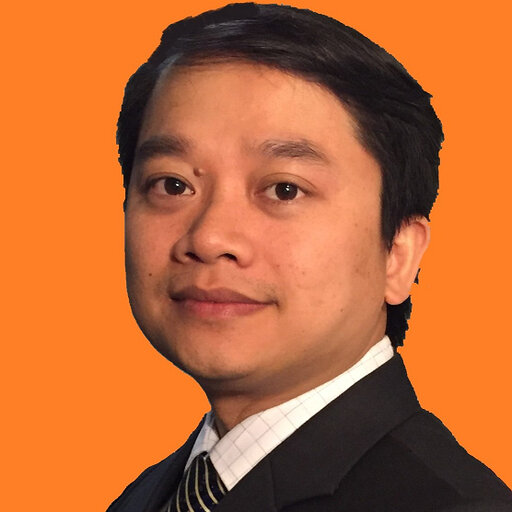
    • BiO; Ngoc T. Dang received the B.E. degree in electronics and telecommunications from the Hanoi University of Technology, Hanoi, Vietnam in 1999, the M.E. degree in electronics and telecommunications from the Posts and Telecommunications Institute of Technology (PTIT), Hanoi, in 2005, and the Ph.D. degree in computer science and engineering from The University of Aizu, Aizuwakamatsu, Japan, in 2010. He was an Invited Researcher with FOTON ENSSAT Lab., Universite de Rennes 1, France, in 2011, and a Research Fellow with Computer Communications Lab., The University of Aizu, Japan, in 2012, 2013, 2015, and 2017. He is currently an Associate Professor/Head with the Department of Wireless Communications, PTIT. His current research interests include the area of communication theory with a particular emphasis on modeling, design, and performance evaluation of optical CDMA, RoF, and optical wireless communication systems.

    • POSTS AND TELECOMMUNICATIONS INSTITUTE OF TECHNOLOGY

    • I am an Associate Professor of Computer Science at Posts and Telecommunications Institute of Technology (PTIT) and a Research Scientist at Qualcomm AI Research (acquiring   VinAI's Research  division since April 2025). I am also the Dean of Artificial Intelligence faculty and the Director of PTIT.AI Research Lab., PTIT.  Previously, I was a Research Scientist at  VinAI Research  (from November 2019 to March 2025); a Marie Curie Research Fellow at Philips Research, High-Tech campus Eindhoven, the Netherlands; a Research Associate at Open Lab, Newcastle University, UK; a Research Assistant at Jornada Experimental Range, the United State Department of Agriculture, USA; and a Teaching Assistant at PTIT. My research interests include Deep Generative models, Computer Vision, Human Activity Recognition, Deep Learning and Pervasive Healthcare.

    • UNIVERSITY OF TECHNOLOGY SYDNEY (UTS), AUSTRALIA

    • I am the Director of the Centre for Technology in Water and Wastewater and a Professor in Environmental Engineering at the School of Civil and Environmental Engineering, UTS. The overarching aim of my work is to discover, develop, and transfer new knowledge, skills, and technologies that improve the provision of clean water and purification of wastewater in service to society. Prior to joining UTS, I have received research training and experience from the University of New South Wales, Yale University, University of Melbourne, and University of Wollongong. In 2009, I was a visiting professor at Colorado School of Mines. In May and June 2016, i was an August-Wilhelm Scheer Visiting Professor at the Technical University of Munich. To date, I have supervised to completion 20 PhD and 8 MPhil students, and have overseen the delivery of numerous research projects with over $3 million in funding.

    • VNU and UTS

    • Xuan-Tu Tran received a B.Sc. degree in 1999 from Hanoi University of Science and a M.Sc. degree in 2003 from Vietnam National University, Hanoi, all in Electronics Engineering and Communications; and a Ph.D. degree in 2008 from Grenoble INP (at the CEA-LETI), France, in Micro Nano Electronics. He is currently a full professor at Vietnam National University, Hanoi (VNU), and the Director of VNU Information Technology Institute. He was an invited professor at the University Paris-Sud 11, France (2009, 2010, and 2015), the University of Electro-Communication, Tokyo (2019), Grenoble INP (2011), and adjunct professor at the University of Technology Sydney (2017–2023). He was the Director of the VNU Key Laboratory for Smart Integrated Systems (SISLAB) from 2016 to 2021, Co-Director of the Joint Technology and Innovation, Research Centre (JTIRC, 2017-2020). His research interests include designing and testing systems-on-chips, networks-on-chips, design-for-testability, asynchronous/synchronous VLSI design, low-power techniques, and hardware   architectures for multimedia applications. He is in charge of CoMoSy, VENGME, ReSoNoC, IOTA, ADEN4IOT, Secu-IoT, UBGIoT projects for designing HW architectures of embedded systems and multimedia applications. He has published 3 books, 7 patents and more than 120 peer-reviewed publications in these areas.

    • HANOI UNIVERSITY OF SCIENCE AND TECHNOLOGY

    • Phi Le Nguyen is a lecturer at the School of Information and Communication Technology, Hanoi University of Science and Technology. She received her B.E. and M.S. degrees from the University of Tokyo in 2007 and 2010, respectively. She received her PhD degree in informatics from National institute of Informatics, Japan in 2019. Her major is networking which includes optimization of network protocols, optimization of network deployment, resource management and performance analysis of both wired and wireless networks. Currently, she is focusing on exploiting machine learning to enhance network performance.

    Experts and Engineers

    • Dr. Nam H. Chu, Lead Scientist, University of Technology Sydney 
    • Mr. Hieu Chi Nguyen, Engineer, University of Technology Sydney 
    • Mr. Tuan Minh Bui, Engineer, University of Technology Sydney 
    • Mr. Manh Duc Bui, Engineer, University of Technology Sydney 
    • Phai Vu Dinh,  Engineer, University of Technology Sydney
    • Dr. Nguyen Viet Hung, Expert, Post and Telecommunications Institute of Technology 
    • Dr. Vu Hoai Nam, Expert, Post and Telecommunications Institute of Technology 
    • Dr. Nguyen Duc Hoang, Expert, Post and Telecommunications Institute of Technology 
    • Mr. Hiroyuki Miura, MN MU Head SEA, Nokia 
    • Mr. Charles Chew, Head of Government Affairs, SEA, Nokia 
    • Mr. Shee-Yan Wong, ECE APAC SEA Tech Lead, Nokia 
    • Mr. Minh Pham Van, Head of Solutions, MN APAC CoE CSP Solutions, Nokia
    • Mr. Apirom Thanee,  Senior Technical Sales Manager, CNS ECE Sales APAC & IMEA Tech Sales, Nokia
    • Mr. Pawan Kumar Sharma, Customer Project Manager, CNS ECE Sol MPS Delivery PM, Nokia
    • Mr. Franklin Mampilly,  Customer Project Manager, CNS ECE Sol MPS NDAC Delivery & Services, Nokia
    • Mr. Naveed Ashraf, Senior Project Manager, CNS ECE Sol MPS Delivery APJ, Nokia  

    Key Activities:

    A1. Setting up the Australia-Vietnam Strategic Centre in Hanoi with the support of both Australia (through DFAT) and Vietnam (through MoST/MoIC)

    A2. Developing 5G/6G-empowered applications, use cases and other strategic technologies that are of mutual interested between Australia, Vietnam and international communities, towards sustainable, secure, and cyber-safe societies

    A3. Engaging with industry, education, government partners, showcasing strategic technology applications, facilitating Australia-Vietnam cooperation and fostering new business opportunities between the two countries.

    The Australia-Vietnam Strategic Technologies Centre is at the forefront of next-generation connectivity research, pioneering advancements in 5G and 6G and other strategic technologies to transform industries, enhance security, and drive real-world innovation. Our research is designed to bridge the gap between cutting-edge technology and practical applications, ensuring that 5G/6G networks deliver unprecedented speed, security, and reliability across critical sectors. By fostering global collaboration, we aim to redefine the future of connectivity and empower industries with breakthrough solutions that have tangible, long-term impacts.

    Our high-impact research areas include:

    Transforming Industries with 5G/6G-Powered Applications 

    Next-generation networks have the power to redefine how industries operate. Our research develops cutting-edge 5G/6G applications that revolutionize smart cities, agriculture, healthcare, education, and environmental sustainability. By leveraging ultra-reliability and low-latency connectivity, edge computing, and AI integration, we create solutions that enhance efficiency, enable automation, and support real-time decision-making. These applications not only improve quality of life but also drive economic growth, positioning Australia and Vietnam asleaders in digital transformation. 

    Cyber Resilience & Advanced Threat Response for 5G/6G Networks 

    With the rise of sophisticated cyber threats, securing critical infrastructure is more urgent than ever. Our research develops state-of-the-art strategies and AI-driven tools to fortify 5G/6G networks against emerging cyberattacks. By dynamically adapting to evolving threats, these solutions ensure uncompromised security and reliability for businesses, governments, and communities. Furthermore, this initiative fosters cross-border collaboration between government agencies, private enterprises, and academic institutions, creating a unified front against cyber threats. Through this research, Australia and Vietnam will jointly enhance digital resilience, setting new global benchmarks in cybersecurity. 

    Advancing AI Applications and AI Governance for a Secure Digital Future 

    Artificial Intelligence (AI) is revolutionizing industries, but its rapid growth necessitates robust AI governance frameworks to ensure ethical, transparent, and responsible deployment. At the Australia-Vietnam Strategic Technologies Centre, we focus on developing trustworthy AI models, advancing privacy-preserving AI techniques, and formulating governance policies that balance innovation with accountability. Our research explores AI-powered decision-making in 5G/6G networks, regulatory frameworks for AI ethics, and explainable AI (XAI) models that enhance transparency in critical applications like healthcare, cybersecurity, and digital finance. By integrating AI governance principles with cutting-edge technology, we aim to build a future where AI-driven solutions are safe, equitable, and aligned with societal values, strengthening Australia-Vietnam collaboration in global AI leadership.

    Pioneering Next-Generation Connectivity with NTN, Satellite & Space Communications 

    Beyond terrestrial networks, Non-Terrestrial Networks (NTN), including satellites, high-altitude platforms (HAPS), and space-based communications, are crucial for ensuring global connectivity, disaster resilience, and secure communication infrastructures. Our research focuses on hybrid satellite-5G/6G integration, optimizing low-earth orbit (LEO) satellite networks for seamless coverage, and AI-driven resource management for NTNs.These innovations will enable ultra-reliable, low-latency satellite communications, bridging the digital divide forremote and rural communities, and IoT-based smart industries. Through strategic partnerships, we are shaping thefuture of satellite and space-based connectivity, ensuring secure, high-speed, and cost-efficient communication solutions for both terrestrial and extraterrestrial environments.

    Semiconductor Innovation for 5G, AI, and Quantum Technologies 

    Semiconductors form the backbone of modern digital infrastructure, powering everything from 5G/6G networks and AI accelerators to emerging quantum computing systems. The Australia-Vietnam Strategic Technologies Centre is actively engaged in research on next-generation semiconductor design, energy-efficient chip architectures, and advanced fabrication techniques to drive innovation in wireless communication, high-performance computing, and AI-driven automation. With an emphasis on supply chain resilience and sustainable semiconductor production, we are fostering collaborations to enhance Vietnam’s semiconductor industry and strengthen Australia’s leadership in advanced microelectronics. Our work in RF chip design, chip security, AI-enhanced circuit optimization, and neuromorphic computing ensures that the next wave of intelligent systems is both powerful and secure, positioning Australia and Vietnam at the forefront of semiconductor research.

    Funded Seed Grant Projects:

    The Australia-Vietnam Strategic Technologies Centre has successfully awarded seed grants to innovative research projects that advance strategic technologies and strengthen collaboration between Australian and Vietnamese researchers. These funded initiatives span cutting-edge fields including 5G/6G connectivity, artificial intelligence, cybersecurity, semiconductor technologies, and their transformative applications across industries. Each project represents a commitment to pioneering breakthrough discoveries and fostering international partnerships that shape the digital future. Explore our portfolio of supported research below to discover the innovative work being conducted through our strategic technologies collaboration.

    1. Project Title: Joint Communications and Sensing Design for Multiuser MIMO with Hybrid Active-Passive RIS
      • Project Leader: Dr. Nguyen Thanh Huy, Van Lang University
      • Collaborator in Vietnam: Van Lang University
      • Collaborator in Australia: University of Sydney
    2. Project Title: 6G-QuantumFSO: AI-Enhanced Network Design and Optimization towards Ultra-Reliable Connectivity
      • Project Leader: Assoc. Prof. DANG The Ngoc, Posts & Telecommunications Institute of Technology (PTIT),
      • Collaborator in Vietnam: Vietnam National Space Center (VNSC), Vietnam Academy of Science and Technology
      • Collaborator in Australia: University of Technology Sydney (UTS)
    3. Project Title: NextGShield – Proactive AI Resilience in NextG Open Wireless Networks.
      • Project Leader: A/Prof. Nguyen Van Dinh, VinUniversity.
      • Collaborator in Vietnam: Viettel High Technology Industries Corp, Viettel Group
      • Collaborator in Australia: La Trobe University
    4. Project title: Application of IoT-based system for Monitoring Water quality at a Kindergarten, Tram Long Commune, Ung Hoa District, Hanoi, Vietnam.
      • Project Leader: Dr. Nguyen Thi Hai, University of Science, Vietnam National University, Hanoi, Vietnam (HUS-VNU)
      • Collaborator in Vietnam: University of Science, Vietnam National University, Hanoi, Vietnam (HUS-VNU)
      • Collaborator in Australia: University of Technology Sydney (UTS)
    5. Project Title: Building a Platform to Enable Future Research on Optimization Methods for Resource Allocation in Network Slicing for 5G/6G Networks
      • Project Leader: A/Prof. Nguyen Tai Hung, Hanoi University of Science and Technology
      • Collaborator in Vietnam: Hanoi University of Science and Technology
      • Collaborator in Australia: The University of Adelaide
    6. Project Title: Strengthening Security in Blockchain and IoT Ecosystems with Data Protection and Intrusion Detection Systems
      • Project Leader: A/Prof. Dr Hoang Trong Minh, Posts and Telecommunications Institute of Technology
      • Collaborator in Vietnam: Post and Telecommunication Institute of Technology
      • Collaborator in Australia: University of Canberra
    7. Project Title: HyperX: A Scalable Reinforced Multi-Expert Framework for Hypergraph Influence Maximization
      • Project Leader: Dr. Pham Van Cuong, Posts and Telecommunications Institute of Technology
      • Collaborator in Vietnam: Posts and Telecommunications Institute of Technology 
      • Collaborator in Australia:  University of Adelaide
    8. Project Title: Funbox System: AI-Powered Interactive Storytelling for Enhancing Children’s Language Learning
      • Project Leader: Dr. Tuyen Hoang Trieu, AIBox Innovation JSC
      • Collaborator in Vietnam: BinhMinh Group
      • Collaborator in Australia: ANS Direct Pty Ltd (ANSCENTER)
    • Australia-Vietnam TechFest 2025

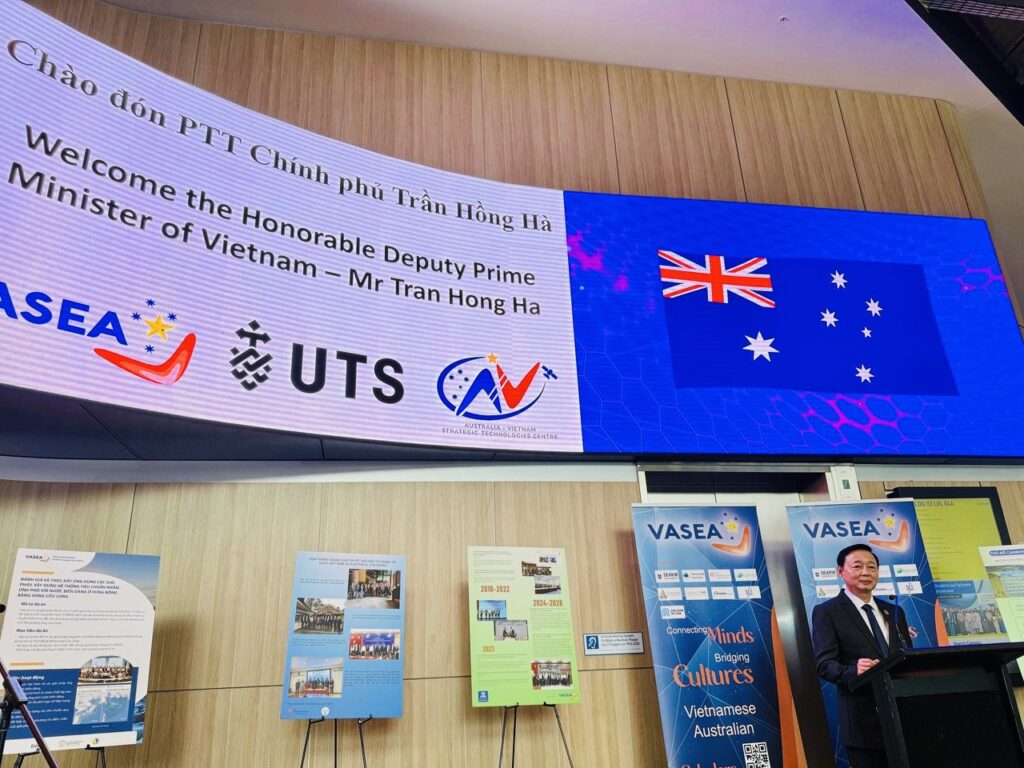
      The University of Technology Sydney (UTS) welcomed Vietnam’s Deputy Prime Minister Trần Hồng Hà and senior leaders from six Vietnamese ministries to campus this week for the Australia–Vietnam Science and Technology Dialogue, a flagship event of Vietnam–Australia TechFest 2025 hosted by UTS in partnership with the Vietnamese Australian Scholars and Experts Association (VASEA). This year […]

      Xem chi tiết
    • Vietnam Delegation Visits UTS to Advance Strategic Technology

      Senior Vietnamese officials meet UTS leadership to explore collaboration through the Australia–Vietnam Strategic Technologies Centre (AVSTC), with a focus on digital transformation and skills for Vietnam’s 2045 vision. Sydney, 7 August 2025 — The University of Technology Sydney (UTS) welcomed a high‑level Vietnamese delegation led by the Vice Minister of Foreign Affairs (MFA), joined by […]

      Xem chi tiết
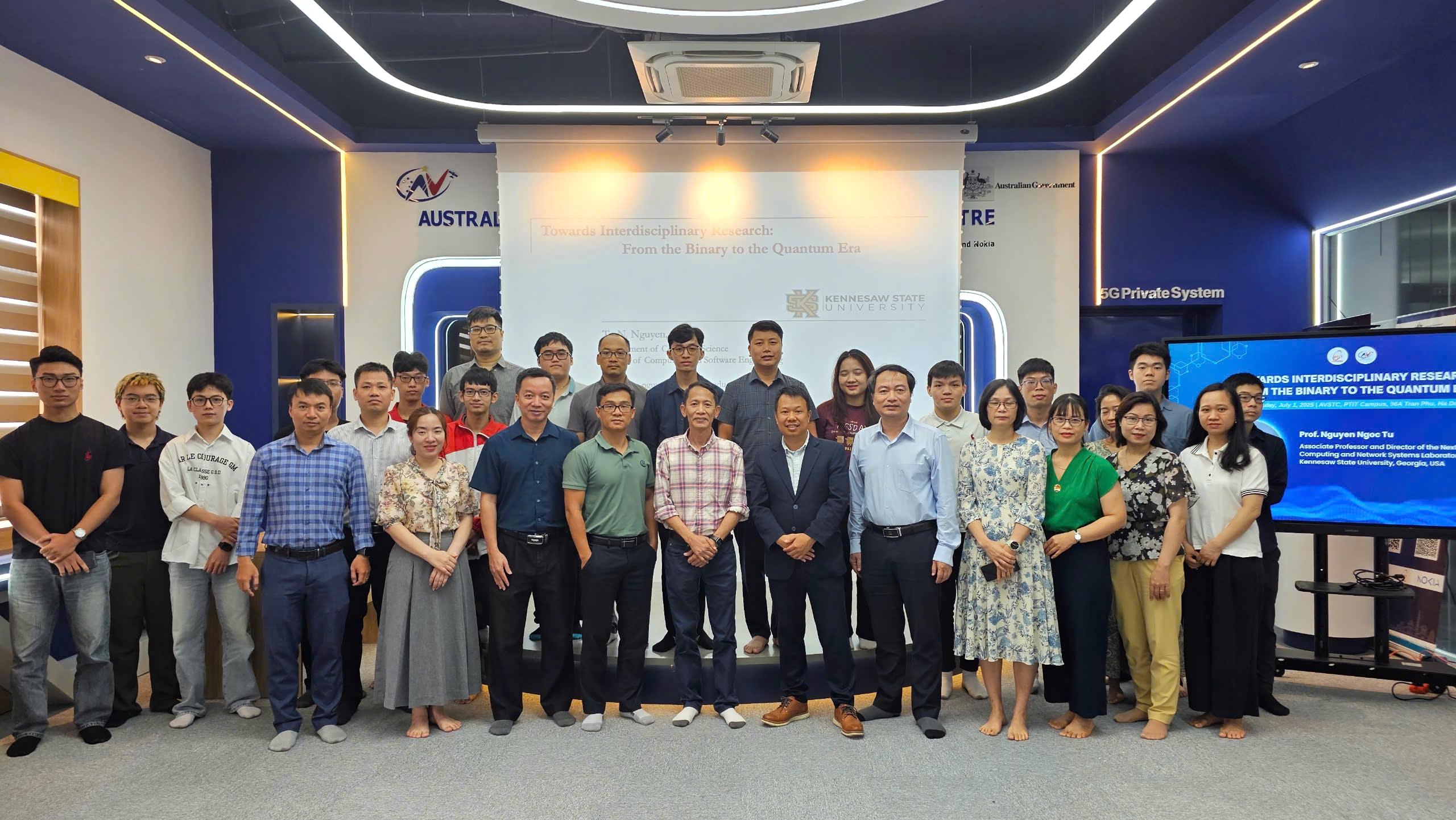
    • Recap: Seminar Explores Interdisciplinary Research from the Binary to the Quantum Era

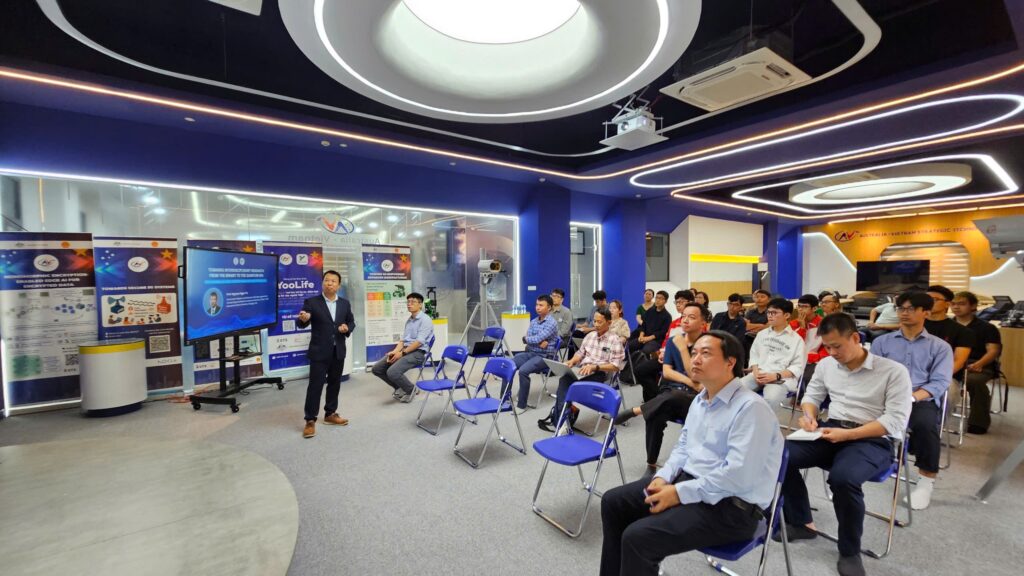
      On the morning of July 1, 2025, the highly anticipated seminar, “Towards Interdisciplinary Research: From the Binary to the Quantum Era,” was successfully held at the Australia-Vietnam Strategic Technology Centre (AVSTC), located at the Posts and Telecommunications Institute of Technology (PTIT). The event brought together researchers, students, and distinguished guests for an insightful session on […]

      Xem chi tiết
    • Launching the Australia-Vietnam Strategic Technologies Centre and announcing funding for 8 “seed” projects

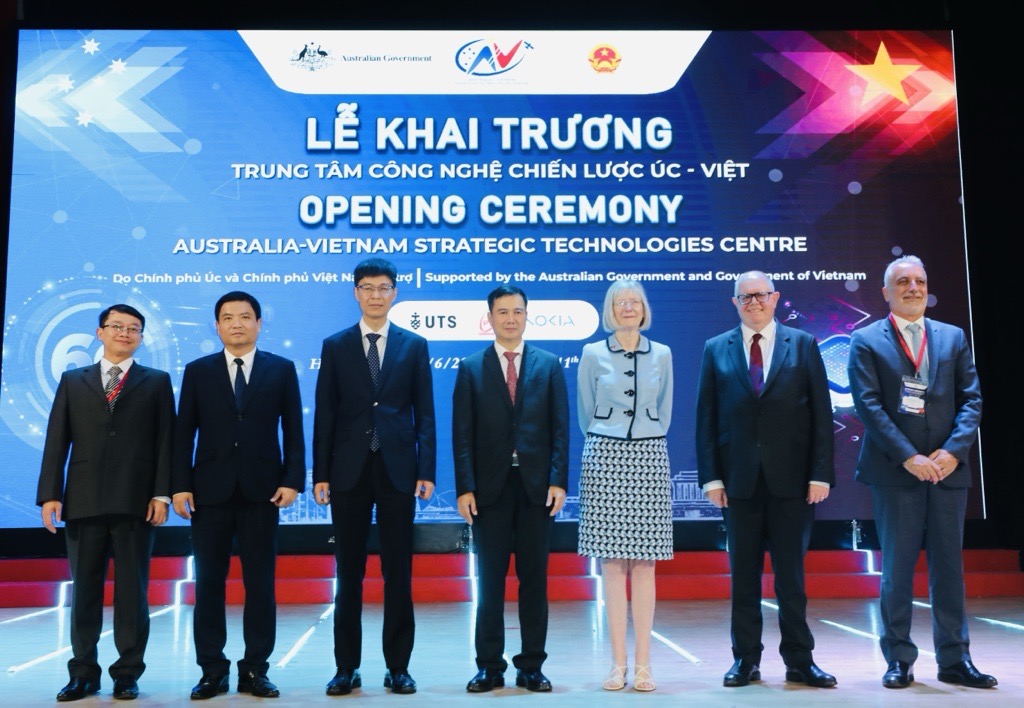
      On 11th June 2025, at the Posts and Telecommunications Institute of Technology (PTIT), the Australia-Vietnam Strategic Technologies Centre (AVSTC) was officially released to provide strategic technology cooperation and innovation between Australia and Vietnam. The Centre was established through a cooperative initiative between the Australian Department of Foreign Affairs and Trade and the Vietnamese Ministry of […]

      Xem chi tiết
    • Agenda: Symposium Advanced Technologies for the Future of Connectivity

      2025 Australia-Vietnam Strategic Technologies Symposium Advanced Technologies for the Future of Connectivity Australia-Vietnam Strategic Technologies Centre Introduction Booklet 2025 /*! elementor – v3.22.0 – 26-06-2024 */ .elementor-heading-title{padding:0;margin:0;line-height:1}.elementor-widget-heading .elementor-heading-title[class*=elementor-size-]>a{color:inherit;font-size:inherit;line-height:inherit}.elementor-widget-heading .elementor-heading-title.elementor-size-small{font-size:15px}.elementor-widget-heading .elementor-heading-title.elementor-size-medium{font-size:19px}.elementor-widget-heading .elementor-heading-title.elementor-size-large{font-size:29px}.elementor-widget-heading .elementor-heading-title.elementor-size-xl{font-size:39px}.elementor-widget-heading .elementor-heading-title.elementor-size-xxl{font-size:59px} Author: Nguyen Van Hinh

      Xem chi tiết
    • Minister Nguyen Manh Hung Visits AVSTC: Boosting Australia-Vietnam Technology Cooperation

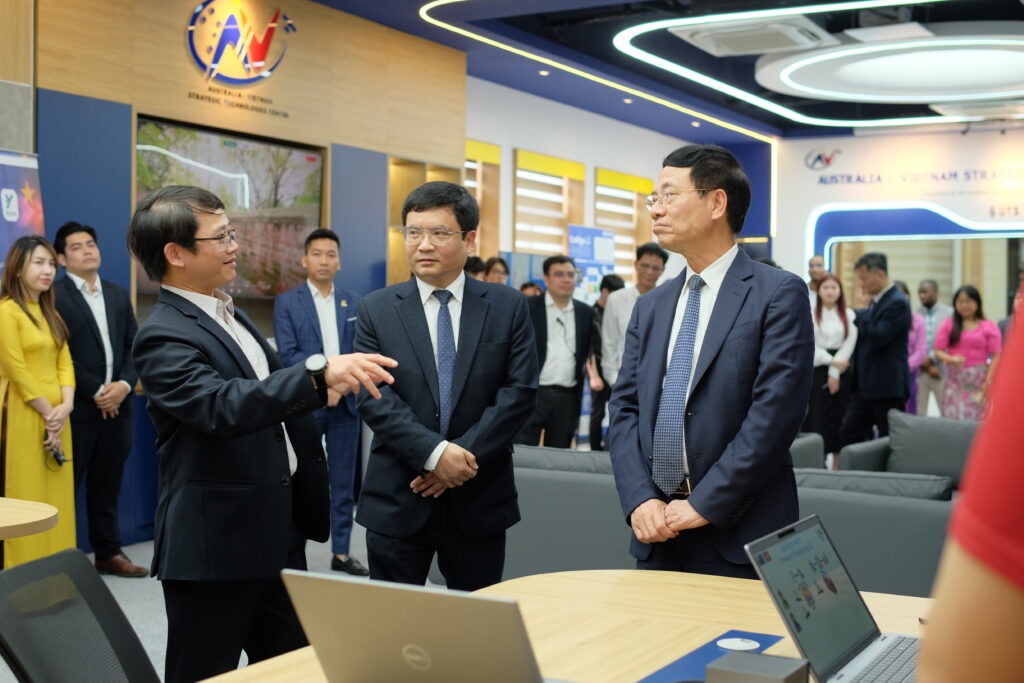
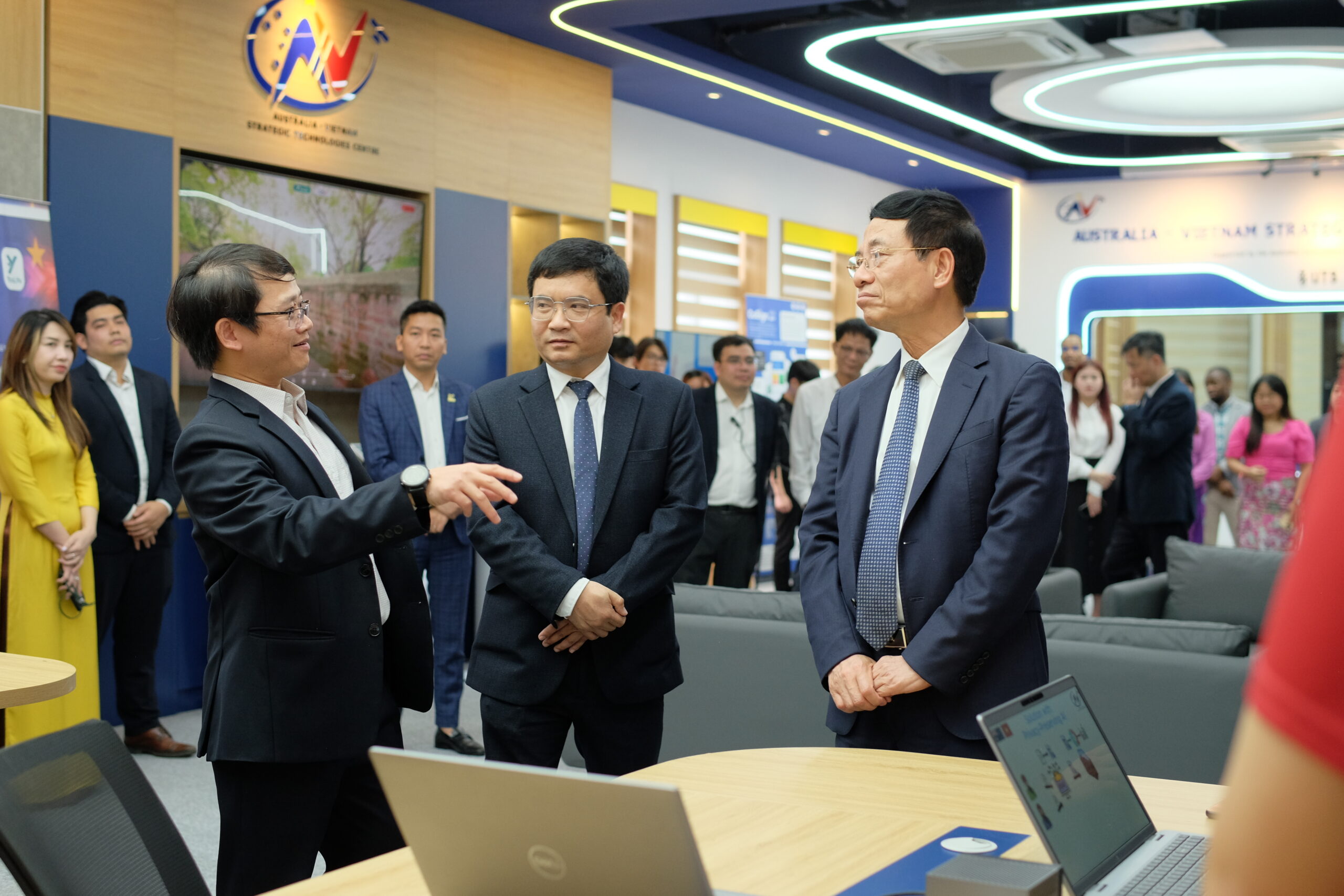
      Hanoi, May 30, 2025 – The Australia-Vietnam Strategic Technology Centre (AVSTC), a key hub for innovation, was honored to host Minister of Science and Technology Nguyen Manh Hung and his delegation for a significant visit and working session. This visit highlights the growing commitment to Australia-Vietnam technology cooperation and the development of cutting-edge solutions. During […]

      Xem chi tiết
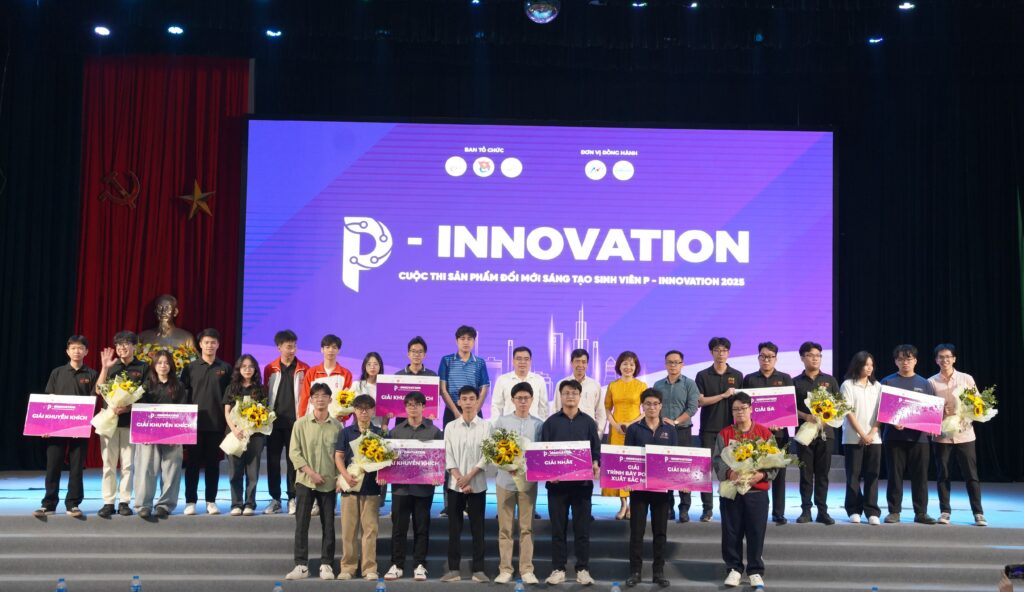
    • “CoGen – A Platform Providing Knowledge on Sex Education and Health, Utilizing AI and Gamification” Wins First Prize at P-Innovation 2025 Competition

      As part of the activities celebrating Vietnam Science and Technology Day on May 18th, the Posts and Telecommunications Institute of Technology (PTIT) recently held the final round and awards ceremony for the P-Innovation 2025 Student Innovation Competition. Outshining 50 participating ideas and projects, “CoGen – A platform providing knowledge on sex education and health, utilizing […]

      Xem chi tiết
    • Training Gender Equality, Disability and Social Inclusion (GEDSI) – 20/05/2025

      On May 20th, an in-depth training session on Gender Equality, Disability, and Social Inclusion (GEDSI) took place, offering fresh perspectives and inspiration. With nearly 30 years of experience, Ms. Pham Thu Hien – a leading GEDSI expert – delivered profound insights, affirming GEDSI’s pivotal role in the current context. Ms. Hien emphasized that GEDSI isn’t merely […]

      Xem chi tiết
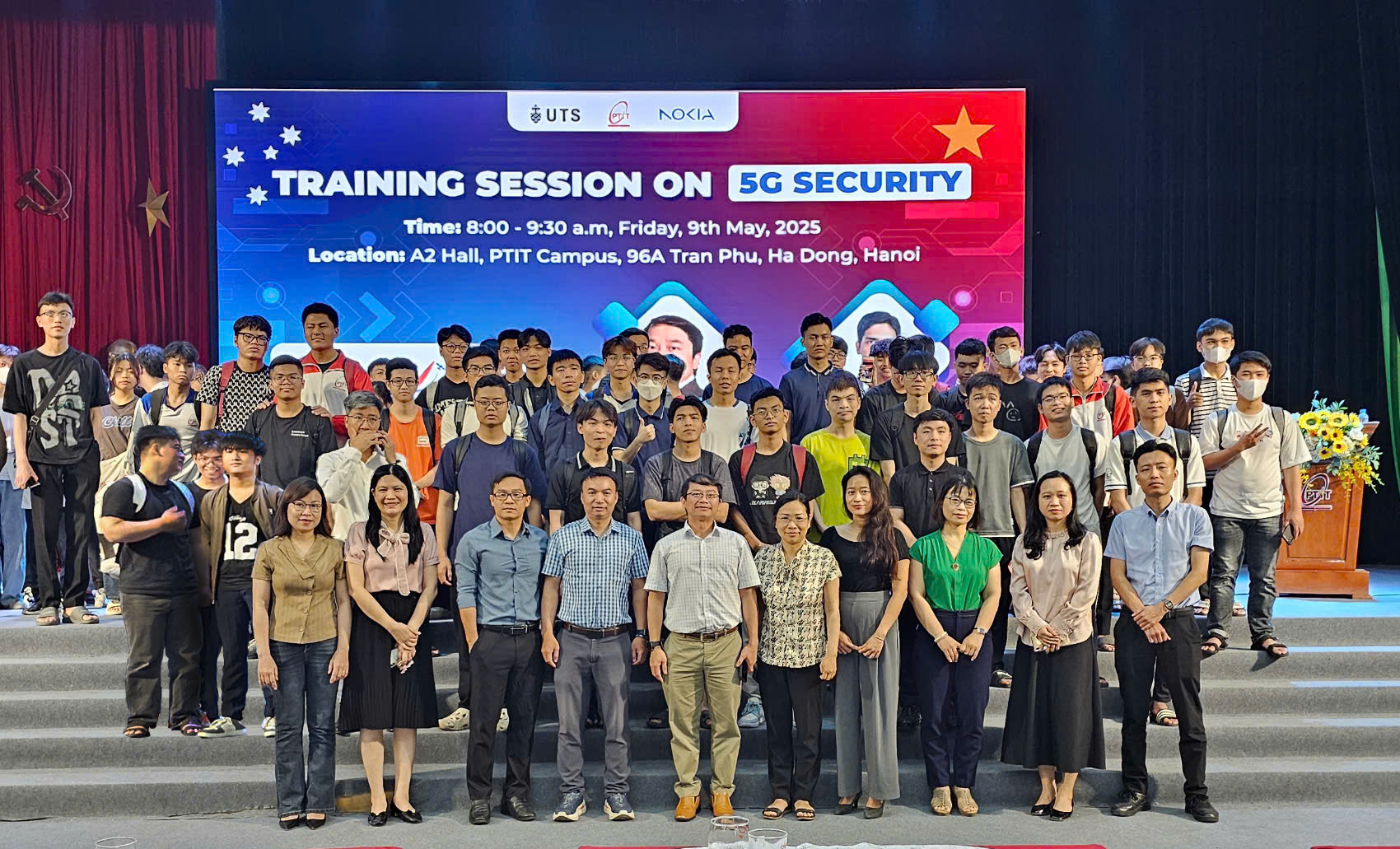
    • Training Session on 5G Security PTIT x UTS x Nokia – 09/05/2025

      Hundreds of engineers, students, and experts delved into the threats of cybersecurity as well as the challenges in integrating 5G technology. The program took place at the Posts and Telecommunications Institute of Technology, Hanoi, on May 9th, organized by the Australia-Vietnam Centre for Strategic Technology with the support from Vietnam’s Ministry of Science and Technology […]

      Xem chi tiết
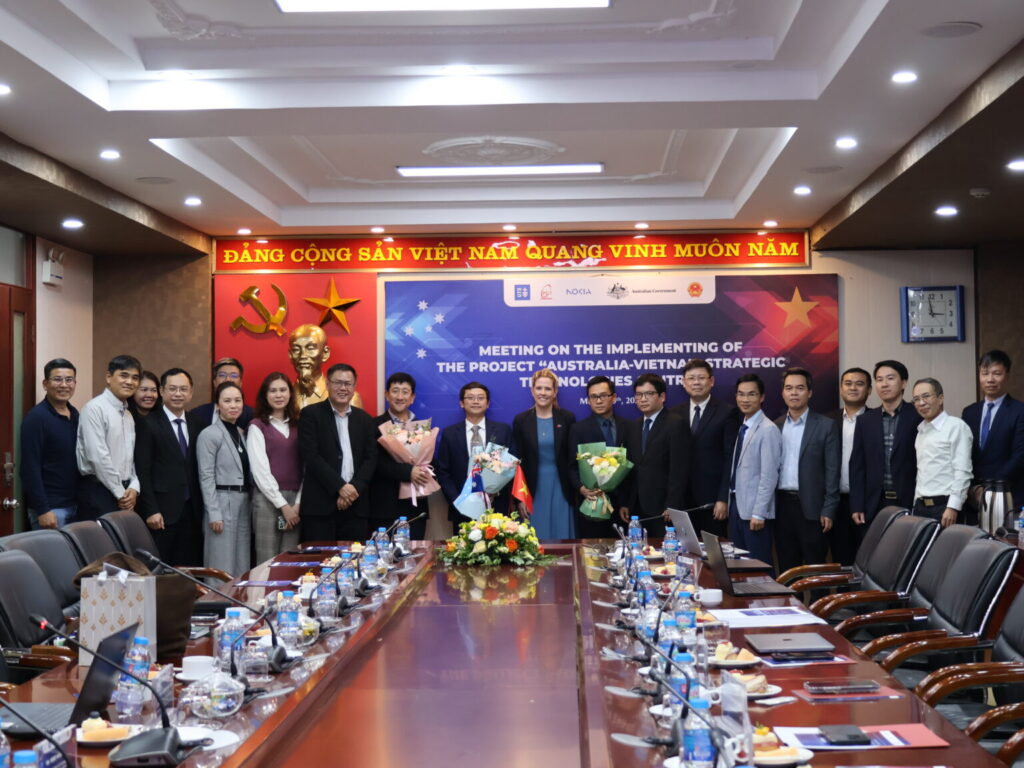
    • PTIT and the Australian Embassy delegation met to deploy the project “Australia-Vietnam Strategic Technologies Centre”

      On 20/03/2025, at PTIT’s Hanoi Campus, Posts and Telecommunications Institute of Technology (PTIT) worked with the delegation of the Australian Embassy to deploy the “Australia-Vietnam Strategic Technologies Centre” – a project within the framework of the Comprehensive Strategic Partnership between Vietnam and Australia and an initiative supported by the Australian Department of Foreign Affairs and […]

      Xem chi tiết
    • Australia and Vietnam partner to drive innovation in strategic technologies

      Australia and Vietnam partner to drive innovation in strategic technologies 10 March 2025 UTS will lead the establishment of the Australia-Vietnam Strategic Technologies Centre, supported by DFAT and Vietnam’s Ministry of Science and Technology. Aerial skyline view of Hanoi. By Hanoi Photography / Adobe Stock A groundbreaking partnership between Australia and Vietnam is set to revolutionise next-generation […]

      Xem chi tiết
    • 2025 Australia-Vietnam Strategic Technologies Centre CALL FOR PROPOSALS

      The Australia-Vietnam Strategic Technologies Centre is thrilled to launch its Call for Proposals, offering a groundbreaking opportunity for talented Vietnamese academics and scientists to pioneer strategic technologies research and real-world applications in collaboration with Australian partners. 05 Exclusive Seed Grants are available to support innovative research projects that will push the boundaries of next-generation connectivity […]

      Xem chi tiết

    The Centre’s Leadership Board includes:

    • Australia and Vietnam Government Advisory Board

    • Director: Associate Professor Diep N. Nguyen
    • Head of Education Engagement: Associate Professor Dang Hoai Bac
    • Head of Industry Engagement: Professor Long Nghiem
    • Head of Women in Technology and Innovation: Associate Professor Nguyen Phi Le
    • Research Director: Associate Professor Dang The Ngoc
    • Operation Director: Dr. Nguyen Viet Hung

     Key Partners:

    • University of Technology Sydney (UTS) is the Australian Lead of the project. UTS is responsible for the overall governance, delivery, coordinating with all partners (DFAT, MoST/MoIC, Nokia, PTiT and other industry partners
    • Vietnam’s Ministry of Science and Technology (formerly joined us as Ministry of Information and Communications, MoIC) on behalf of the Vietnam Government, is the policy-making and regulatory body in key ICT. MoST/MoIC and its Minister Mr. Nguyen Manh Hung is the key driver of this Australia-Vietnam Strategic Centre from its idea, originated from his visit to UTS Nokia 5G Future Lab at UTS Tech Lab and then followed up by Nokia, UTS, Australian Embassy in Hanoi, PTiT, and other government departments of Vietnam and Australia.
    • Australia’s Department of Foreign Affairs and Trade (DFAT), along with Vietnam’s Ministry of Science and Technology provide support for UTS with finance, equipment, facilities, etc. to establish the Centre and strategic advice for the Centre’s operation and activities.
    • Posts and Telecommunications Institute of Technology (PTIT) Viet Nam is the key and leading university in the areas of 5G/6G technologies in Vietnam, under MoIC/MoST. Under the instruction of MoIC, PTiT will contribute premises, hosting cost of equipment, utilities. Through PTiT, MoIC, the Australia-Vietnam Strategic Centre can engage broadly with industry, government, education partners in Vietnam, multiplying the impact of the project.
    • Nokia, a global leader in 5G/6G, is the key industry driver and the technology partner of the Centre. Nokia Vietnam and Nokia Australia have been working closely with UTS, MoIC, PTiT and other partners to bring 5G applications to different sectors.

    Seed Grant Partners and Collaborators:

    • Hanoi University of Science and Technology (HUST) is the Vietnam’s first multidisciplinary technical university. It is the industrial engineer training center of the country during building and development processes, and the cradle of high-quality human resources for the country’s modernization and industrialization.
    • University of Science, Vietnam National University (HUS-VNU) is a research university aiming at high-quality human resource education, talent cultivation, research, development and knowledge transfer in the fields of natural sciences for the building development and protection of the country.
    • VinUniversity is a private, not-for-profit university established by Vingroup – the largest private conglomerate in Vietnam. VinUni aspires to become a university of excellence with a mission to develop talents for the future.
    • Van Lang University is a research-oriented educational university that develops individual intellects with a holistic approach to the welfare of society.
    • University of Sydney, Australia’s first university, is a prestigious sandstone institution renowned for its world-class research, iconic Gothic Revival architecture, and comprehensive range of undergraduate and postgraduate programs across diverse disciplines.
    • University of Adelaide is a distinguished Group of Eight research university known for producing five Nobel Prize winners and maintaining excellence in fields such as medicine, engineering, and agricultural sciences.
    • La Trobe University is a progressive, research-intensive institution recognized for its strong commitment to social justice, innovative teaching approaches, and particular strengths in health sciences, humanities, and business education.
    • University of Canberra is a dynamic, career-focused institution that emphasizes practical learning and industry engagement.
    blank
    the-university-of-sydney-business-school_592560cf2aeae70239af58ba_large
    The Australia-Vietnam Strategic Technologies Centre, aligned with the Vietnam-Australia Comprehensive Strategic Partnership, aims to strengthen collaboration between the two nations in strategic technologies, starting with the vast potential of 5G. It will drive digital transformation, foster technological and industry innovation, and enhance international cyber stability.

    About Centre

    The Australia-Vietnam Strategic Technologies Centre stands at the forefront of a bold new era in 5G/6G research, cybersecurity, and digital transformation, bringing together the brightest minds from academia, industry, and government. Established through a groundbreaking partnership between Australia’s Department of Foreign Affairs and Trade (DFAT) and Vietnam’s Ministry of Science and Technology (also formerly known as Ministry of Information and Communications, MoIC).

    The Centre serves as a dynamic hub for innovation, policy leadership, and next-generation connectivity solutions. Situated at the prestigious Posts and Telecommunications Institute of Technology (PTIT) in Hanoi, the Centre is a testament to the unwavering commitment of both nations to driving technological advancement and strengthening global cyberspace resilience.

    With Nokia – a world leader in 5G/6G technologies – as its founding industry partner, the Centre is uniquely positioned to unlock the full potential of emerging technologies like 5G/6G. By bridging cutting-edge research with real-world applications, the Centre will empower key industries, including healthcare, manufacturing, energy, transport, and agriculture, accelerating digital transformation across Vietnam, Australia, and beyond. Moreover, this initiative fosters deeper people-to-people linkages, shaping a future where research excellence, strategic partnerships, and groundbreaking technological solutions converge to propel both nations to the forefront of the global digital economy.

    The Australia-Vietnam Strategic Technologies Centre is more than just a research institution – it is a visionary platform for innovation and collaboration. As we embark on this transformative journey, we invite academics, businesses, and policymakers to join us in shaping the future of 5G/6G, AI, semiconductors, cybersecurity, and beyond. With upcoming initiatives such as 5G scholarships, strategic technology seed funding grants, and a Women in Technology mentorship program, the Centre is committed to fostering inclusive, forward-thinking technological leadership.

    Australia and Vietnam Government Advisory Board

    • Director: Associate Professor Diep N. Nguyen
    • Head of Education Engagement: Associate Professor Dang Hoai Bac
    • Head of Government Engagement: Associate Professor Hoang Huu Hanh
    • Head of Industry Engagement: Professor Long Nghiem
    • Head of Women in Technology and Innovation: Associate Professor Nguyen Phi Le
    • Research Director: Associate Professor Dang The Ngoc
    • Operation Director: Dr. Nguyen Viet Hung

    About Our Logo


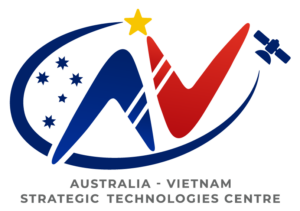
    We proudly unveil the logo of the Australia-Vietnam Strategic Technologies Centre, a symbol of collaboration, innovation, and partnership.

    At the heart of the design are two dynamic boomerang forms, artfully shaped to represent the initials “A” and “V” for Australia and Vietnam. The Southern Cross constellation proudly marks Australia’s identity, while the radiant yellow star mirrors the flag of Vietnam—each element a tribute to our distinct yet harmonizing national narratives. These forms not only echo the cultural heritage of both countries but also symbolize the reciprocal flow of knowledge, ideas, and technology—hallmarks of our strategic partnership.

    The color palette— deep blue, bright red, and radiant yellow —draws directly from our national flags, embodying pride, vitality, and a forward-looking spirit. Two stippled bands connecting the boomerangs represent the strength and resilience of our Comprehensive Strategic Partnership, reflecting a relationship grounded in trust and reinforced by shared goals.

    Encircling these elements is an elegant orbital loop featuring a satellite, signifying the Centre’s shared commitment to advancing cutting-edge technologies with a global vision.

    This emblem powerfully encapsulates our joint pursuit of technological excellence—across fields such as 5G, artificial intelligence, cybersecurity, and next-generation communications. It stands as a bold declaration of our intent to build an innovative, resilient, and inclusive digital future.

    Let us move forward together, united in purpose, inspired by innovation, and strengthened by partnership.

    blank
    the-university-of-sydney-business-school_592560cf2aeae70239af58ba_large
    blank

    News - Events

    • Australia-Vietnam TechFest 2025

      The University of Technology Sydney (UTS) welcomed Vietnam’s Deputy Prime Minister Trần Hồng Hà and senior leaders from six Vietnamese ministries to campus this week for the Australia–Vietnam Science and Technology Dialogue, a flagship event of Vietnam–Australia TechFest 2025 hosted by UTS in partnership with the Vietnamese Australian Scholars and Experts Association (VASEA). This year […]

      Xem chi tiết
    • Vietnam Delegation Visits UTS to Advance Strategic Technology

      Senior Vietnamese officials meet UTS leadership to explore collaboration through the Australia–Vietnam Strategic Technologies Centre (AVSTC), with a focus on digital transformation and skills for Vietnam’s 2045 vision. Sydney, 7 August 2025 — The University of Technology Sydney (UTS) welcomed a high‑level Vietnamese delegation led by the Vice Minister of Foreign Affairs (MFA), joined by […]

      Xem chi tiết
    • Recap: Seminar Explores Interdisciplinary Research from the Binary to the Quantum Era

      On the morning of July 1, 2025, the highly anticipated seminar, “Towards Interdisciplinary Research: From the Binary to the Quantum Era,” was successfully held at the Australia-Vietnam Strategic Technology Centre (AVSTC), located at the Posts and Telecommunications Institute of Technology (PTIT). The event brought together researchers, students, and distinguished guests for an insightful session on […]

      Xem chi tiết
    • Launching the Australia-Vietnam Strategic Technologies Centre and announcing funding for 8 “seed” projects

      On 11th June 2025, at the Posts and Telecommunications Institute of Technology (PTIT), the Australia-Vietnam Strategic Technologies Centre (AVSTC) was officially released to provide strategic technology cooperation and innovation between Australia and Vietnam. The Centre was established through a cooperative initiative between the Australian Department of Foreign Affairs and Trade and the Vietnamese Ministry of […]

      Xem chi tiết
    • Agenda: Symposium Advanced Technologies for the Future of Connectivity

      2025 Australia-Vietnam Strategic Technologies Symposium Advanced Technologies for the Future of Connectivity Australia-Vietnam Strategic Technologies Centre Introduction Booklet 2025 /*! elementor – v3.22.0 – 26-06-2024 */ .elementor-heading-title{padding:0;margin:0;line-height:1}.elementor-widget-heading .elementor-heading-title[class*=elementor-size-]>a{color:inherit;font-size:inherit;line-height:inherit}.elementor-widget-heading .elementor-heading-title.elementor-size-small{font-size:15px}.elementor-widget-heading .elementor-heading-title.elementor-size-medium{font-size:19px}.elementor-widget-heading .elementor-heading-title.elementor-size-large{font-size:29px}.elementor-widget-heading .elementor-heading-title.elementor-size-xl{font-size:39px}.elementor-widget-heading .elementor-heading-title.elementor-size-xxl{font-size:59px} Author: Nguyen Van Hinh

      Xem chi tiết
    1 2 3

    Fundings - Scholarships Updates:

    2025 Round: Closed.

    GEDSI Support of Australia-Vietnam Strategic Technologies Centre

    Photo Gallery

    Partners