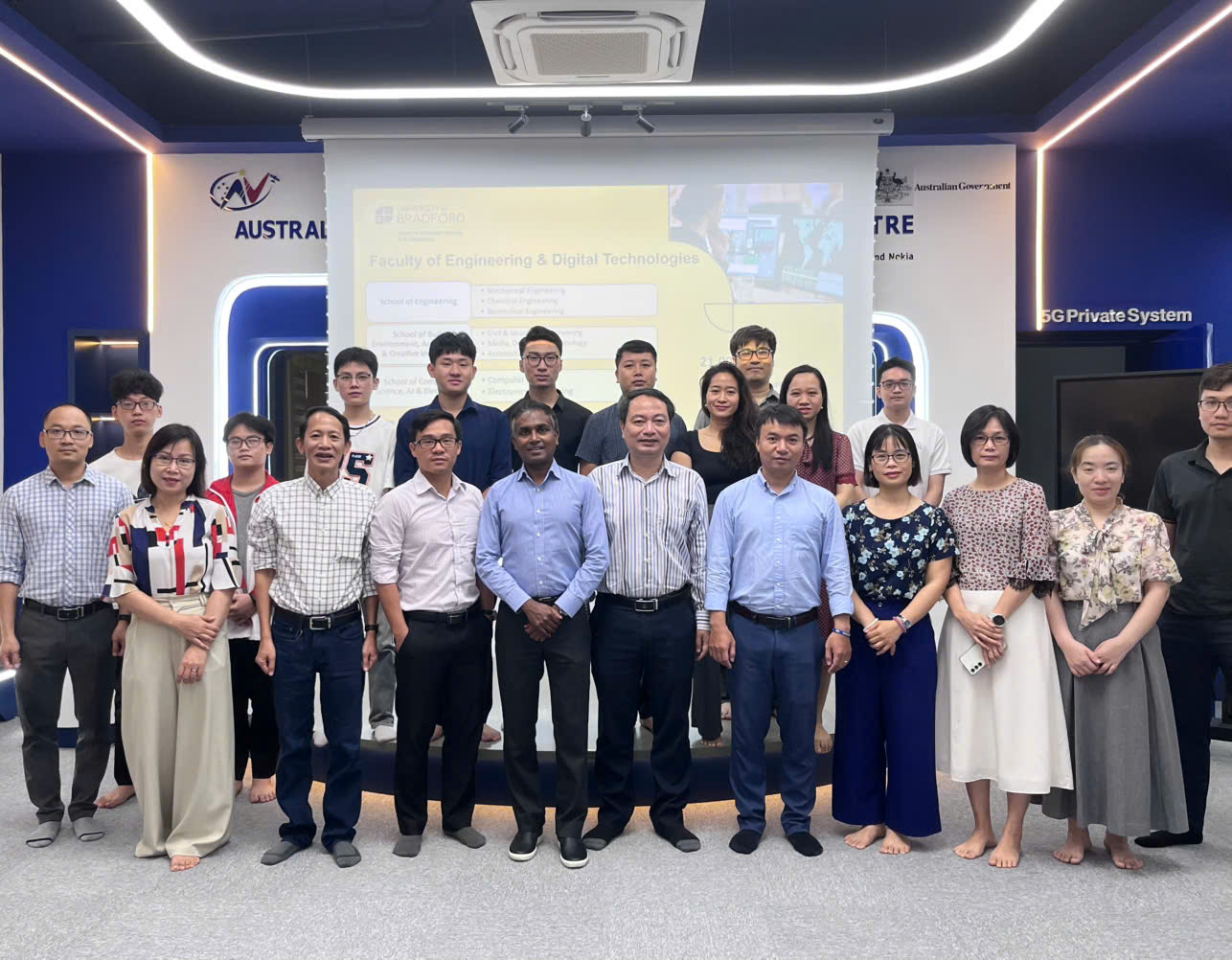
SYDNEY – November 22, 2025 – In November 2025, the Australia-Vietnam Strategic Technologies Centre (AVSTC), University of Technology Sydney (UTS) delivered a two-week intensive training program for a delegation of 18 high-level government and provincial leaders from Vietnam. Led by H.E. Mr. Huỳnh Thành Đạt, Member of the Party Central Committee and former Minister of Science and Technology, the delegation focused on the development of national strategies and applications for Artificial Intelligence (AI) and Big Data.
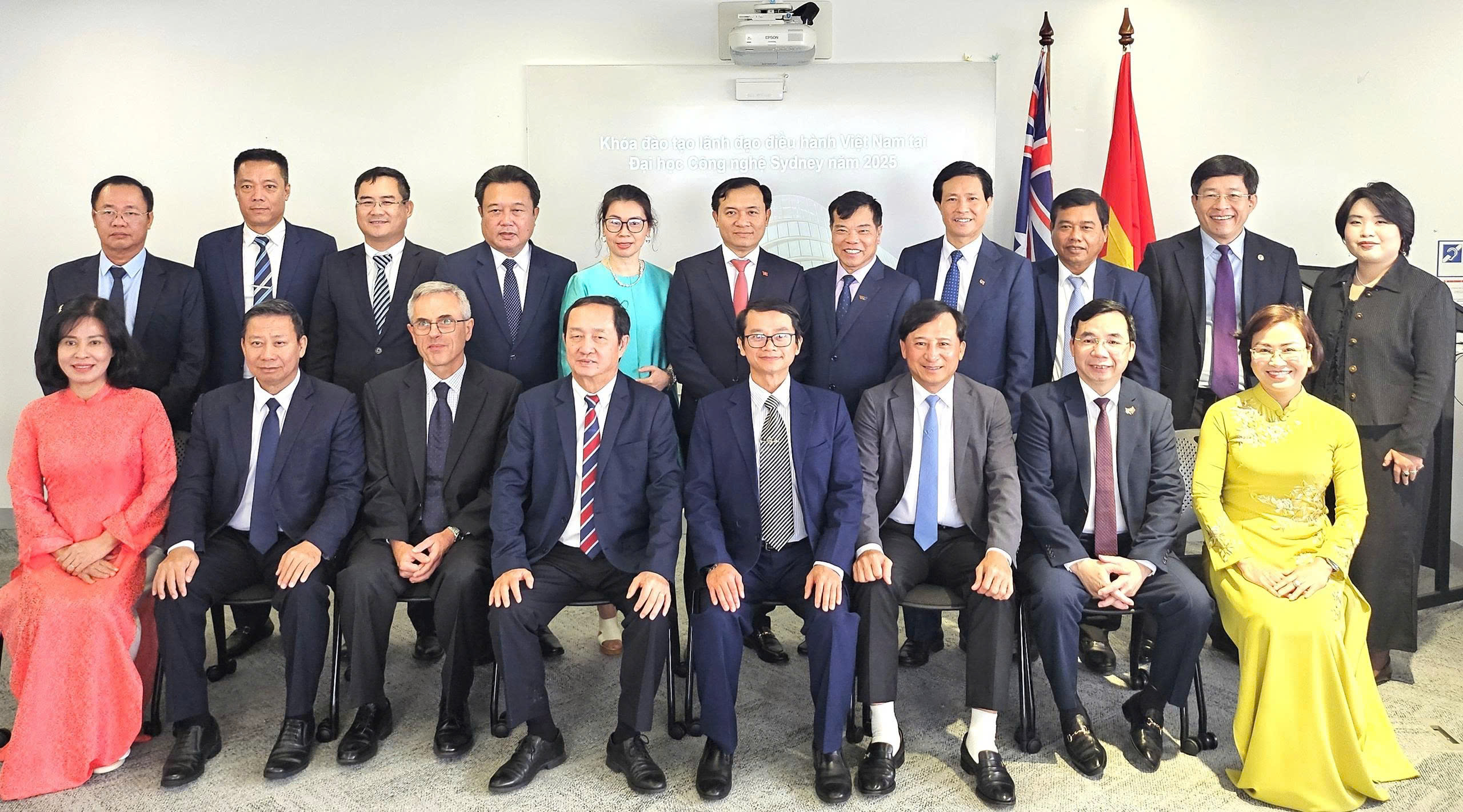
The delegation included senior leadership from the Vietnamese Central Government, notably the Deputy Minister of the Ministry of Justice, Deputy Director General of VTV, Deputy Chairman of the Central Inspection Commission, Director General from Ministry of Finance and provincial leaders. The program focused on enhancing leadership and management capacity in direct alignment with the Politburo’s Conclusion No. 39-KL/TW regarding the strategic overseas training of Vietnam’s high-level personnel, organized by the Central Committee of Organization and Personnel (CCOP) of Vietnam.
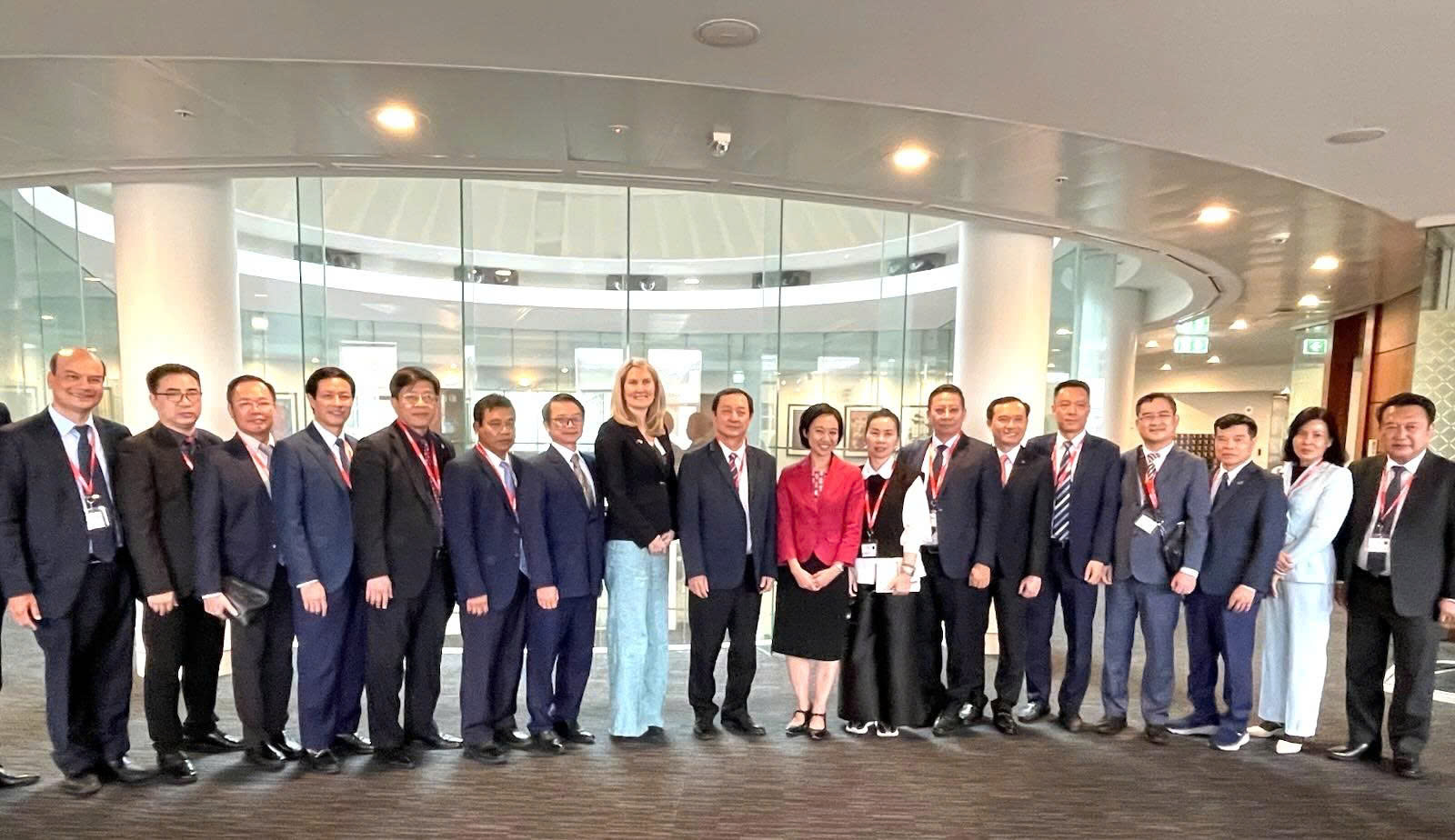
The program included in-depth discussion with Australia’s experts, e.g., in AI, Big Data, Cybersecurity, Telecom/Critical Infrastructure Resilience and high-level diplomatic and industry engagement. In Canberra, the delegation met with H.E. Ms. Jessica Hunter, Australia’s Ambassador for Cyber Affairs and Critical Technology, and officials from the Department of Foreign Affairs and Trade (DFAT) to discuss international cyber stability and the potential collaboration between Australia and Vietnam towards a safe and inclusive cyberspace. In New South Wales, the group held working sessions with local government leaders, Department of Customer Service, Digital New South Wales, NSW Investment to examine digital-first public service delivery. The delegation also got the chance to experience how AI, Big Data have been applied to public services to better support communities.
During the visit to CSIRO, hosted by Dr. Gary Delaney, Research Director of CSIRO Data 61and Dr. Kim Wimbush, Director of the Aus4Innovation program, H.E. Mr. Huỳnh Thành Đạt highlighted the contribution of CSIRO to the innovation ecosystem in Vietnam over the last 10 years. He encouraged and looked forward to further strengthening the technology collaboration between the two countries with new initiatives like AVSTC, Aus4Innovation programs.
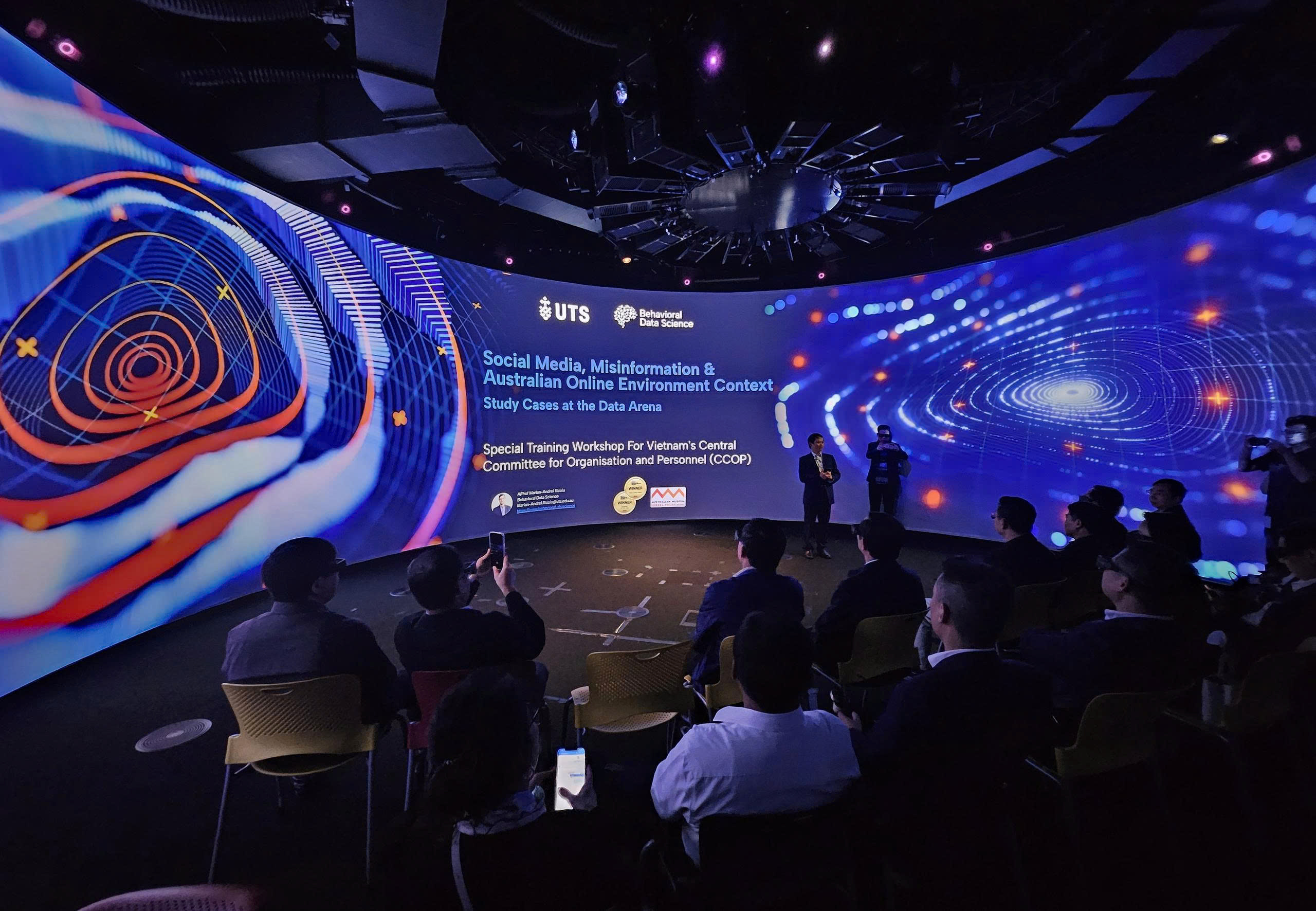
Technical site visits also included deep-dive sessions at the Australia’s National Telecom Resilience Centre, UTS TechLab, and Sydney Olympic Park (SOPA) to evaluate smart city infrastructure, as well as meetings with technology partners Nokia and the Australian technology firm Canva. Cava, an Australia’s world-leading firm with market value of more than $60 billion just opened their office in Vietnam. These engagements provided the delegation with practical blueprints for integrating AI, Big Data, 5G into Vietnam’s provincial and national frameworks. Mr. Nguyen Thanh Ngoc, Deputy Minister of Justice also shared the interest of Vietnam in fostering a safe and inclusive cyberspace and welcomed the collaboration with Australia’s partners.
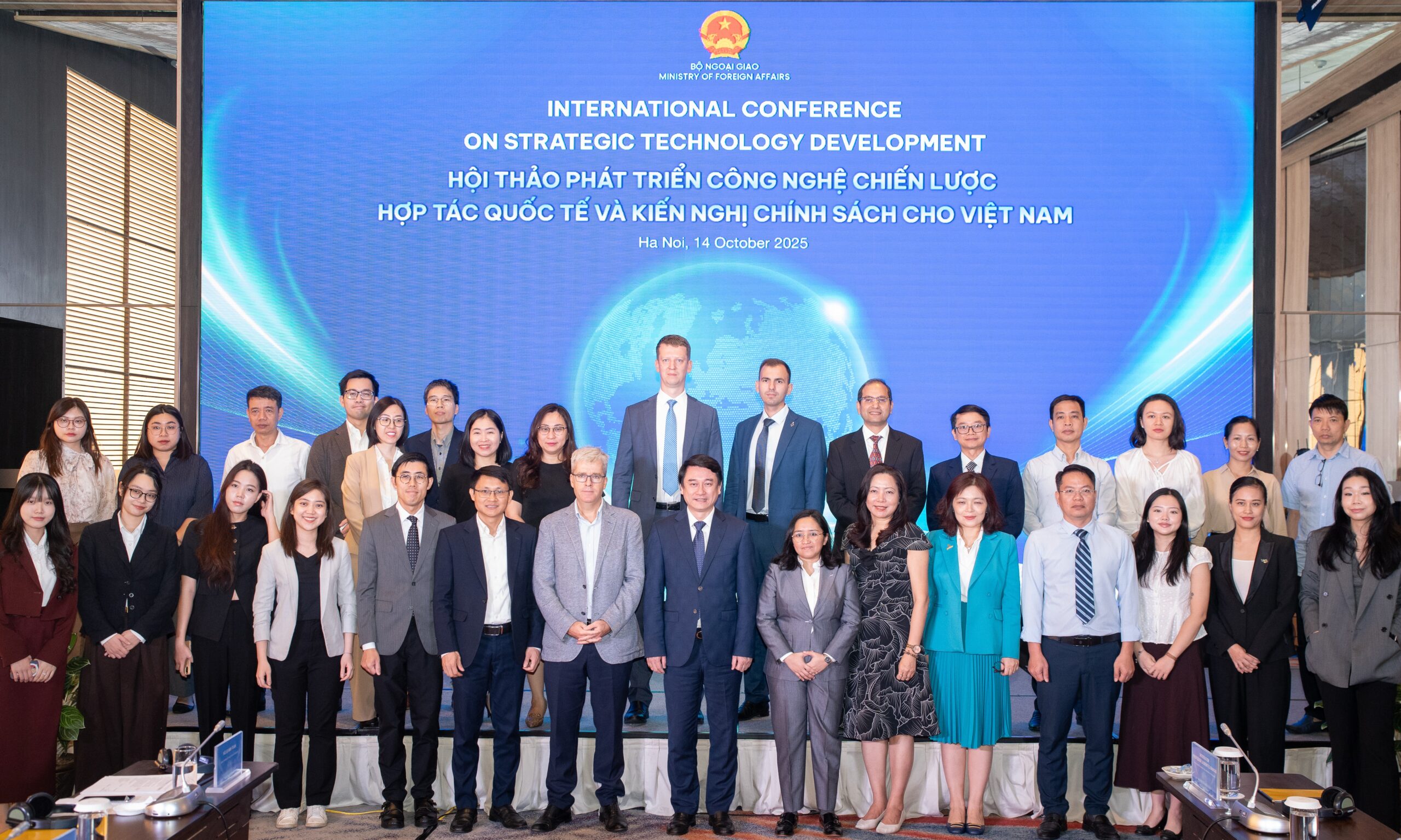
This two-week program highlights the strategic trust Vietnam places in Australia as a steadfast partner within the framework of the Comprehensive Strategic Partnership (CSP), particularly in strategic technologies like AI and Big Data and related policies. As reaffirmed during the 7th Vietnam-Australia Foreign Ministers’ Meeting in Hanoi in August 2025, technology and innovation have been elevated to a central pillar of the bilateral relationship. The FMM-7 joint statement underscored the deepening cooperation in science, technology, and cyberspace, specifically noting the importance of the Memorandum of Understanding on Cyber Affairs and Critical Technology Cooperation.
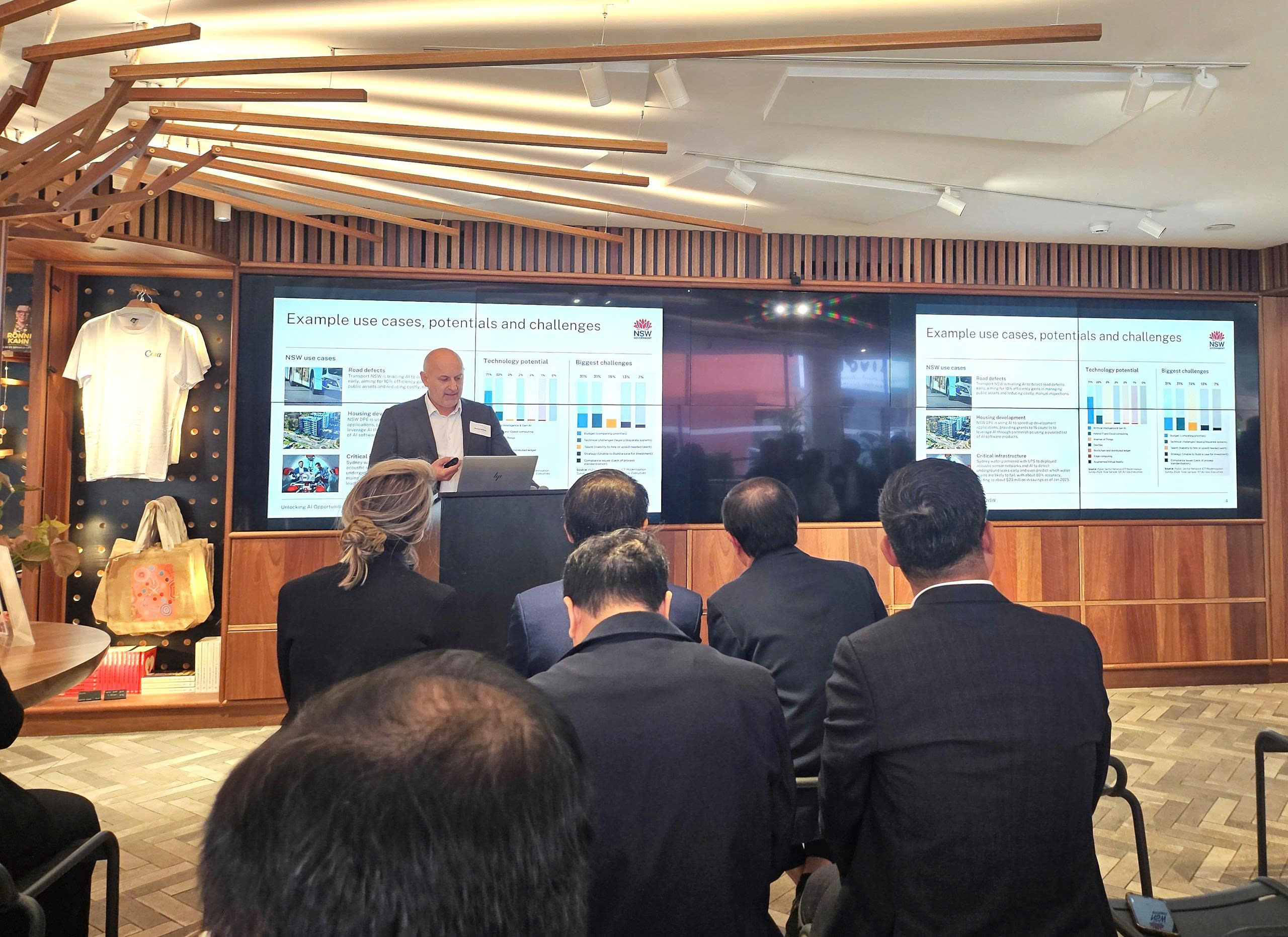
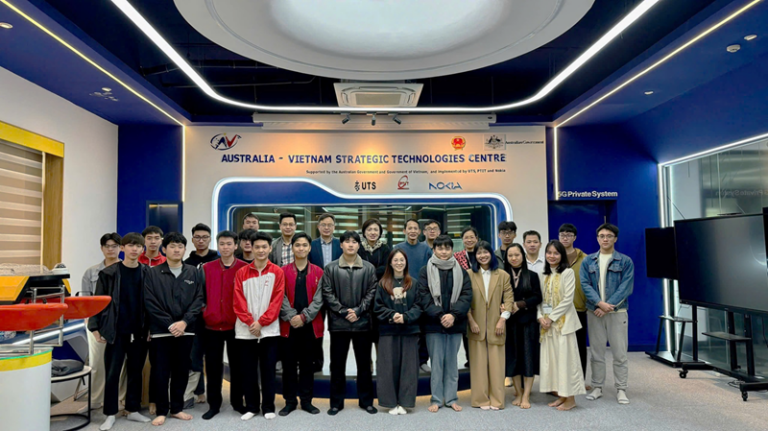
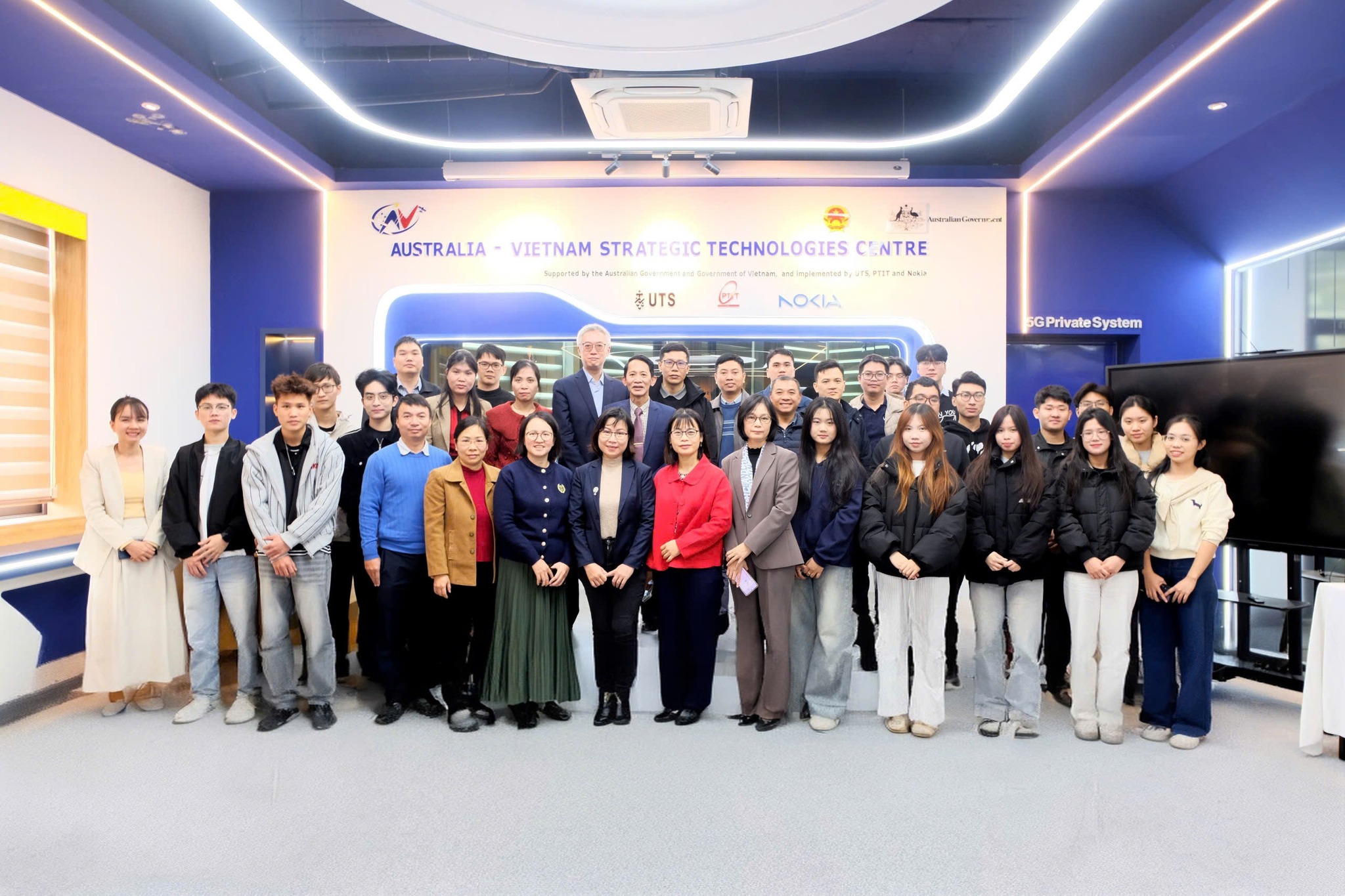
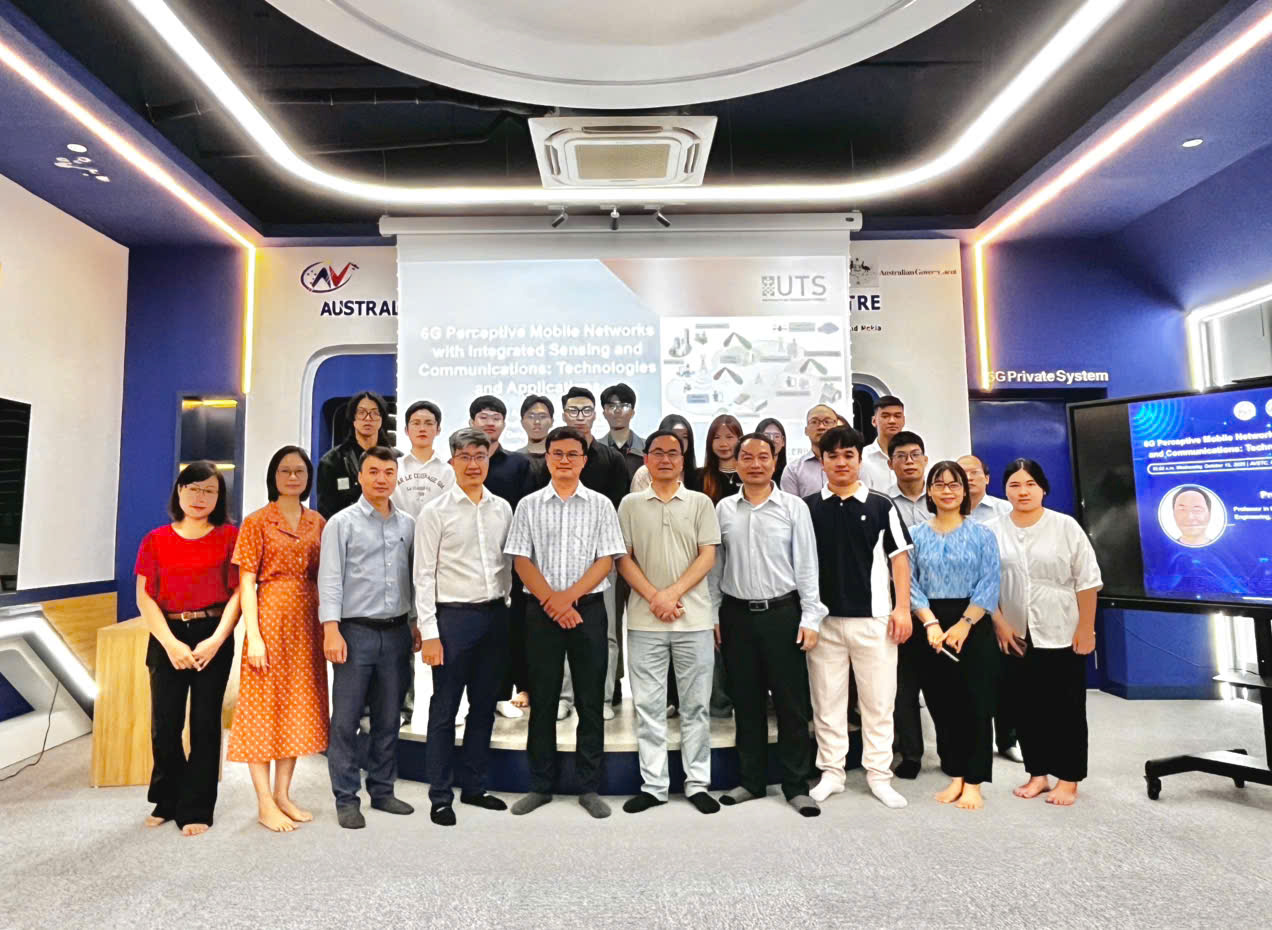
The AVSTC, supported by Australia Government and Vietnam Government, serves as the operational hub for this collaboration. By bridging research, industry, and high-level policy, the AVSTC acts as the primary vehicle for translating the goals of the CSP into tangible outcomes, such as the digital transformation and the development of a secure, resilient digital economy.